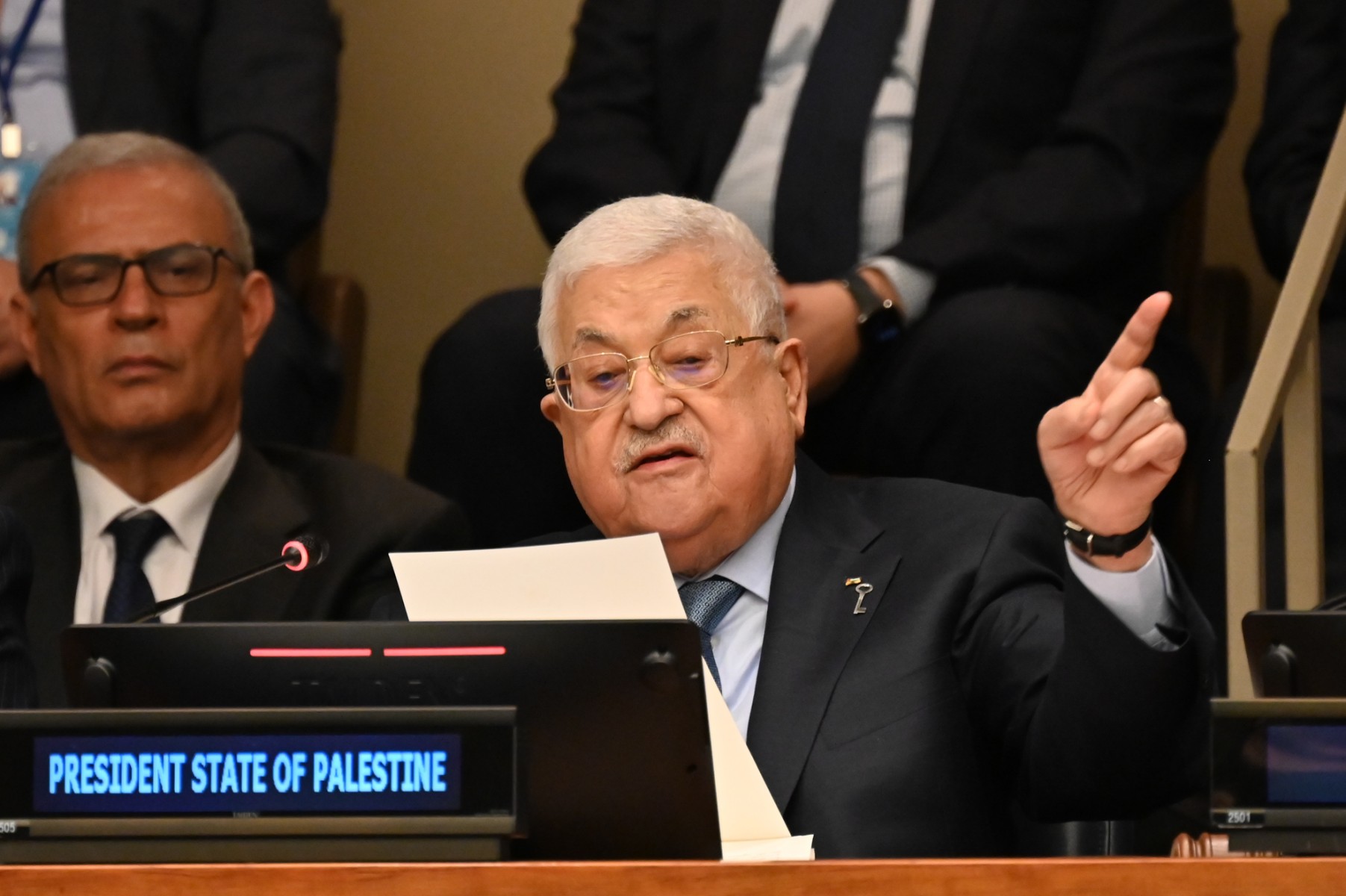

Beijing, China — Palestinian president Mahmud Abbas will make a state visit to China next week, Beijing said Friday, after China expressed readiness to help facilitate Israeli-Palestinian peace talks.
Beijing has positioned itself as a mediator in the Middle East, brokering the restoration of ties in March between Iran and Saudi Arabia — rivals in a region where the United States has for decades been the main powerbroker.
“At the invitation of President Xi Jinping, president of the state of Palestine Mahmud Abbas will pay a state visit to China from June 13 to 16,” foreign ministry spokesperson Hua Chunying said Friday.
“He is the first Arab head of state received by China this year, fully embodying the high level of China-Palestine good relations, which have traditionally been friendly,” ministry spokesman Wang Wenbin told a regular briefing later.
Abbas is an “old and good friend of the Chinese people”, he added.
“China has always firmly supported the just cause of the Palestinian people to restore their legitimate national rights.”
Beijing has sought to boost its ties to the Middle East, challenging long-standing US influence there — efforts that have drawn rebukes from Washington.
Xi last December visited Saudi Arabia on an Arab outreach visit that also saw him meet with Abbas and pledge to “work for an early, just and durable solution to the Palestinian issue”.
And during a trip to Riyadh this week, Secretary of State Antony Blinken said Saudi Arabia was not being forced to choose between Washington and Beijing, striking a conciliatory tone following tensions with the long-time ally.
Blinken has also this week sought to mediate Israel-Palestinian tension, urging Israeli Prime Minister Benjamin Netanyahu not to undermine prospects for a Palestinian state.
Israeli-Palestinian peace negotiations have been stalled since 2014.
In April, Chinese Foreign Minister Qin Gang told his Israeli and Palestinian counterparts that his country was willing to aid peace negotiations, Xinhua reported.
And Qin told Palestinian foreign minister Riyad Al-Maliki that Beijing supports the resumption of talks as soon as possible, according to the state news agency.
In both calls Qin emphasised China’s push for peace talks on the basis of implementing a “two-state solution”.
“The Palestinian issue is the core of the Middle East issue. It bears on peace and stability in the Middle East and on international fairness and justice.”