
Beirut, Lebanon – The impacts of the Israel-Hamas war are set to push crisis-hit Lebanon’s economy back into recession, the World Bank said Thursday, blaming mainly a “shock to tourism spending”.
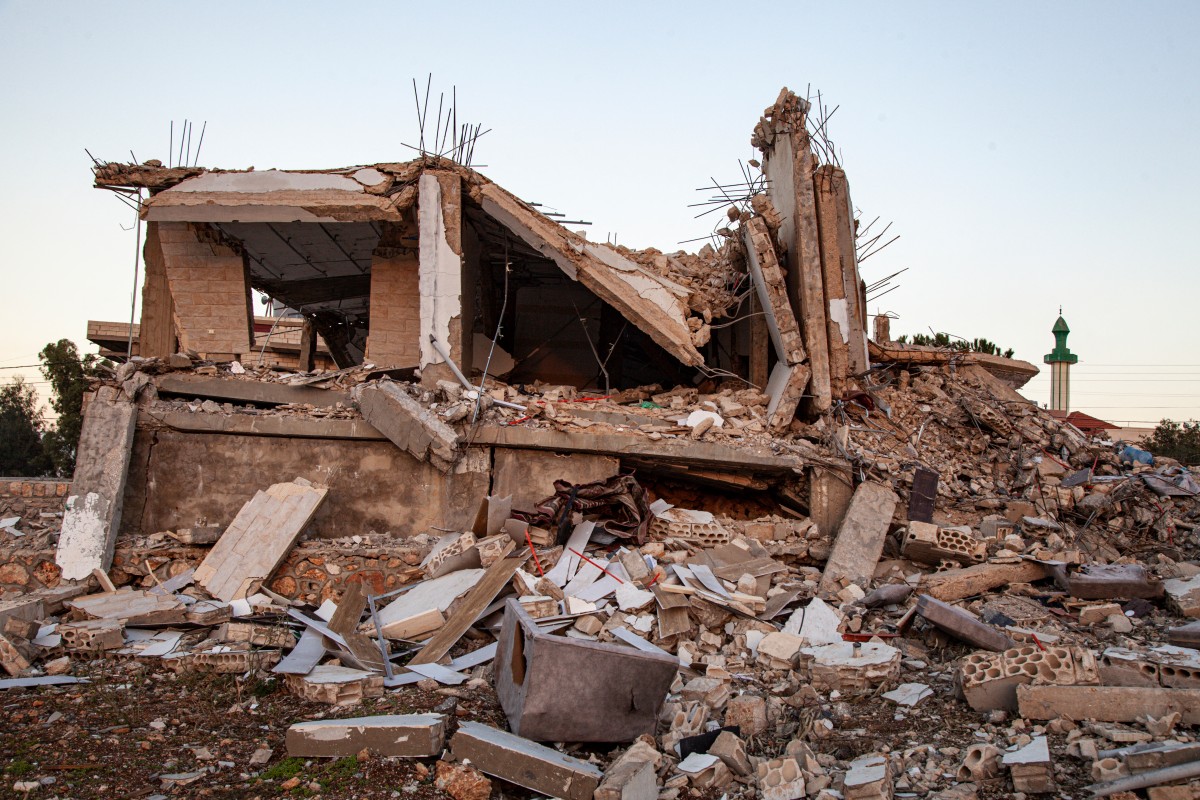
Lebanon’s southern border has seen regular exchanges of fire, mainly between the Israeli army and Hamas ally Hezbollah, since the Gaza conflict erupted on October 7.
The impact of the conflict had reversed a slight recovery for Lebanon, which has battled a deep economic crisis for years, the Washington-based bank said in a report.
“Prior to October 2023, economic growth was projected — for the first time since 2018 — to slightly expand in 2023,” by 0.2 percent, the World Bank said.
It attributed the positive pre-war expectations mainly to summer tourism and remittances from the large Lebanese diaspora.
But, it added, “the current conflict and its spillovers into Lebanon are expected to quickly reverse the tepid growth projected for 2023, as the economy returns to a recession”.
The economy will contract “primarily due to the shock to tourism spending”, the report said.
More than half of travel reservations to Lebanon have been cancelled for winter holidays, the World Bank said, warning that “tourism cannot, on its own, serve as the basis for an economic recovery”.
Real gross domestic product is expected to decline “to between minus 0.6 percent to minus 0.9 percent depending on the extent of the tourism shock,” it added.
Lebanon’s economy collapsed in late 2019, plunging most of the population into poverty, according to the United Nations.
Bickering politicians, widely accused of corruption, have been unable to agree on measures to save the economy, or even on selecting a new head of state.
Lebanon has been governed by a caretaker government with limited powers and without a president for more than a year as lawmakers have repeatedly failed to elect a new leader.