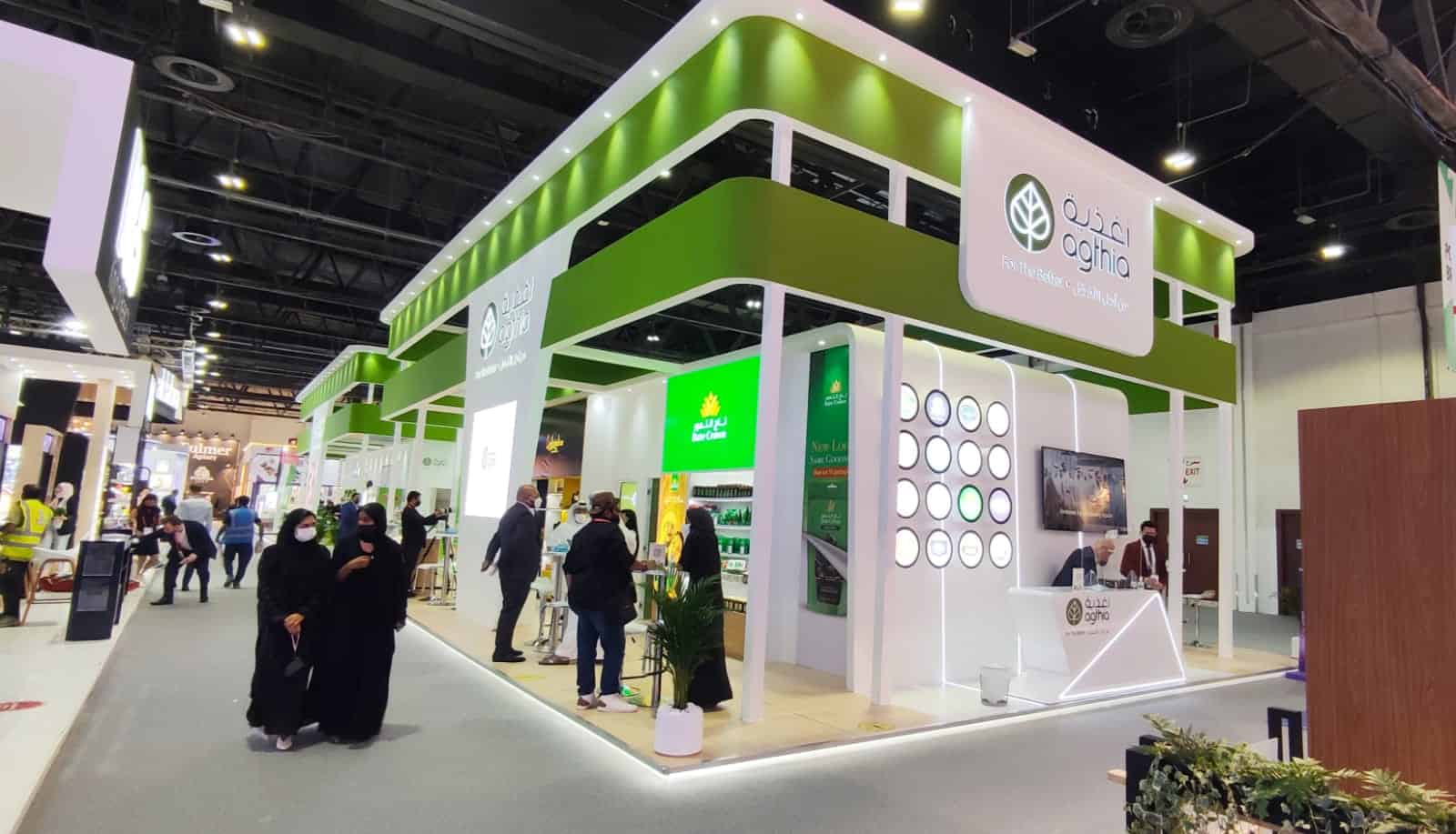

UAE food and beverage company Agthia Group reported a sharp rise in first-half profit and recommended a 14.4 percent higher interim dividend after stronger cash generation and an improved balance sheet reflected progress in its multi-year transformation.
Group revenue for the six months ended June 30 rose 7.4 percent year on year to 2.6 billion dirhams ($708 million), supported by one-off sales under the UAE food security programme. EBITDA increased 35.8 percent to 310.5 million dirhams ($85 million), with the EBITDA margin expanding 250 basis points to 11.9 percent.
Net profit climbed 147.4 percent to 121.4 million dirhams ($33 million).
Second-quarter revenue rose 11.9 percent to 1.3 billion dirhams ($354 million). EBITDA increased 172.5 percent to 117.2 million dirhams ($32 million), while net profit reached 24.5 million dirhams ($6.7 million).
Free cash flow turned positive at 521.4 million dirhams ($142 million), compared with an outflow a year earlier. Net debt-to-EBITDA fell to 1.8 times from 2.9 times at the end of 2025, while cash holdings stood at 869.6 million dirhams ($237 million) at the end of June. Total assets reached 6.5 billion dirhams ($1.77 billion).
The board recommended an interim cash dividend of 11.792 fils per share, up 14.4 percent from a year earlier, marking a second consecutive increase following a 10.0 percent rise for the second half of 2025.
“Raising the interim dividend for a second consecutive period speaks to the discipline with which Agthia is being run and to the Board’s belief in its long-term value. Even in a demanding environment, the Group is generating the cash to reward shareholders and fund its own growth, and that balance is exactly what we are working to protect,” Chairman Khalifa Sultan Al Suwaidi said.
Managing Director and CEO Salmeen Alameri said the transformation programme launched a year ago was delivering stronger earnings, expanding margins and improved cash generation.
Chief Financial Officer Jeroen Nijs said the company generated 521 million dirhams ($142 million) in free cash flow while reducing net debt leverage, reflecting greater financial discipline across the business.