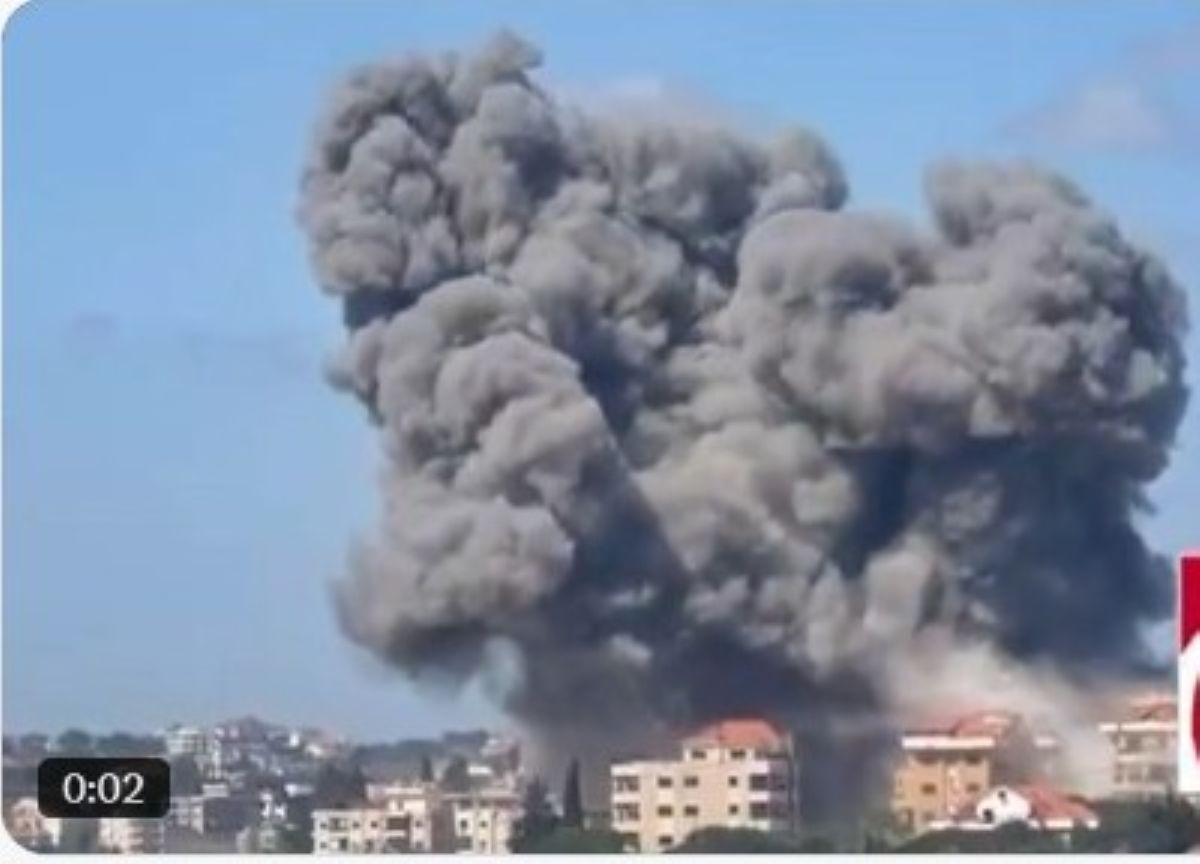

Israel resumed military strikes on southern Lebanon on August 5, accusing Hezbollah of breaching a ceasefire, even as US-sponsored negotiations in Rome entered a crucial phase aimed at ending months of cross-border fighting.
The Israeli military said it launched “precise strikes” in response to what it described as a “blatant violation” of the June ceasefire by Hezbollah. It simultaneously issued its first evacuation warning in weeks for residents of the southern Lebanese town of Mansouri, highlighting the fragile security environment despite ongoing diplomatic efforts.
Lebanese authorities said at least one person was killed and 11 others wounded in separate Israeli strikes, while state media reported continued shelling in parts of southern Lebanon.
The renewed violence came as Israeli and Lebanese delegations met in Rome for the seventh round of Washington-mediated negotiations since the conflict escalated in March, when Hezbollah launched rockets into northern Israel in support of Iran. Israel responded with extensive air strikes and a ground offensive that Lebanon says has killed more than 4,300 people.
The talks are intended to build on a framework agreement reached in June under which Hezbollah would gradually disarm, Israeli forces would withdraw in phases from southern Lebanon, and the Lebanese army would deploy to the border region through pilot security zones.
According to a US State Department official, discussions in Rome are focused on expanding those pilot zones, resolving outstanding border disputes and working towards a comprehensive peace and security agreement.
Italian Foreign Minister Antonio Tajani also held talks with his Iranian counterpart, urging Tehran, Hezbollah’s principal backer, to halt the group’s military activities and expressing hope that negotiations would produce tangible progress.
Hezbollah, however, has rejected the direct negotiations. Secretary-General Naim Qassem described the talks as bringing “nothing but shame, humiliation” and reiterated the group’s refusal to surrender its weapons.
Despite a reduction in large-scale fighting since the June ceasefire and a preliminary US-Iran understanding on regional tensions, Lebanon continues to report intermittent Israeli air strikes, artillery fire and military operations in southern border villages.
The latest escalation underscores the challenge facing mediators seeking to transform the fragile ceasefire into a durable political and security settlement.