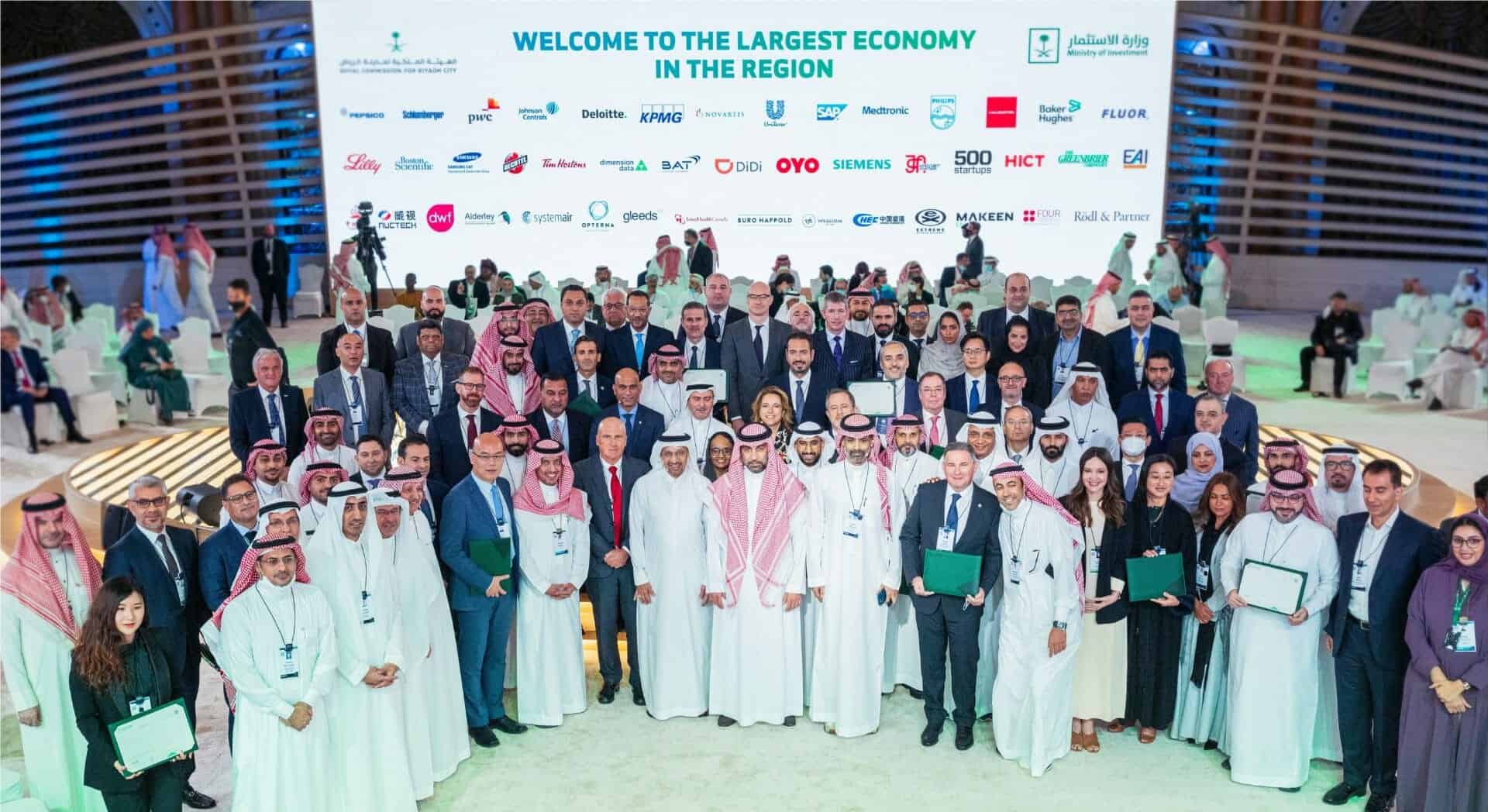

Saudi Arabia said Wednesday it has licensed 44 international companies to establish regional headquarters in Riyadh, competing with Gulf neighbors for the position of regional business hub.
In February, the oil-rich kingdom had urged foreign firms seeking state contracts to set up their Middle East headquarters in the country by 2024.
“Forty-four companies from various sectors and countries have signed agreements to move (their regional headquarters) and have obtained final licenses,” Investment Minister Khalid al-Falih told AFP on the sidelines of the Future Investment Initiative (FII) conference in Riyadh.
Pepsico, Deloite, Siemens, Haliburton, KPMG, PrincewaterhouseCoopers, Novartis and OYO are among the companies that will be establishing regional headquarters in Riyadh.
“We have a short-term goal to reach up to 400 or 500 companies, but there is no cap,” added Falih.
Saudi Arabia will offer companies incentives, such as zero percent corporate tax for 50 years, a 10-year waiver from the state’s “Saudization” policy to reserve jobs for Saudis and “preferential” treatment in government contracts, according to a document seen by AFP.
“The direct and indirect benefits from the presence of companies (in Saudi Arabia) amount up to 170 billion riyals ($45 billion),” said Falih.
Saudi officials are putting the finishing touches to launch the King Abdullah Financial District (KAFD), a multi-billion-dollar project announced in 2006, with many companies expected to be based there.
While some experts believe Saudi Arabia, the Arab world’s largest economy, is directly competing with Dubai, Falih said it was about “integration” with the emirate.
“If there is competition, it is a creative competition that is beneficial to both parties. Everyone will benefit from growth and openness,” he said.
Falih said that the United Arab Emirates, which is made up of seven emirates including Dubai, will also benefit from the kingdom’s growth.
“In the UAE, they are trailblazers and successful, and their success and brilliance will continue in many areas, including in the field of attracting companies.”