
The IMF plans to raise at least $45 billion for a new trust to help “low-income and vulnerable middle-income countries” cope with protracted challenges like pandemics and climate change, it announced on Wednesday.
The Washington-based crisis lender’s Resilience and Sustainability Trust (RST) will come into effect May 1, and is in addition to a $650 billion boost to reserve assets called Special Drawing Rights (SDR) allocated earlier this year.
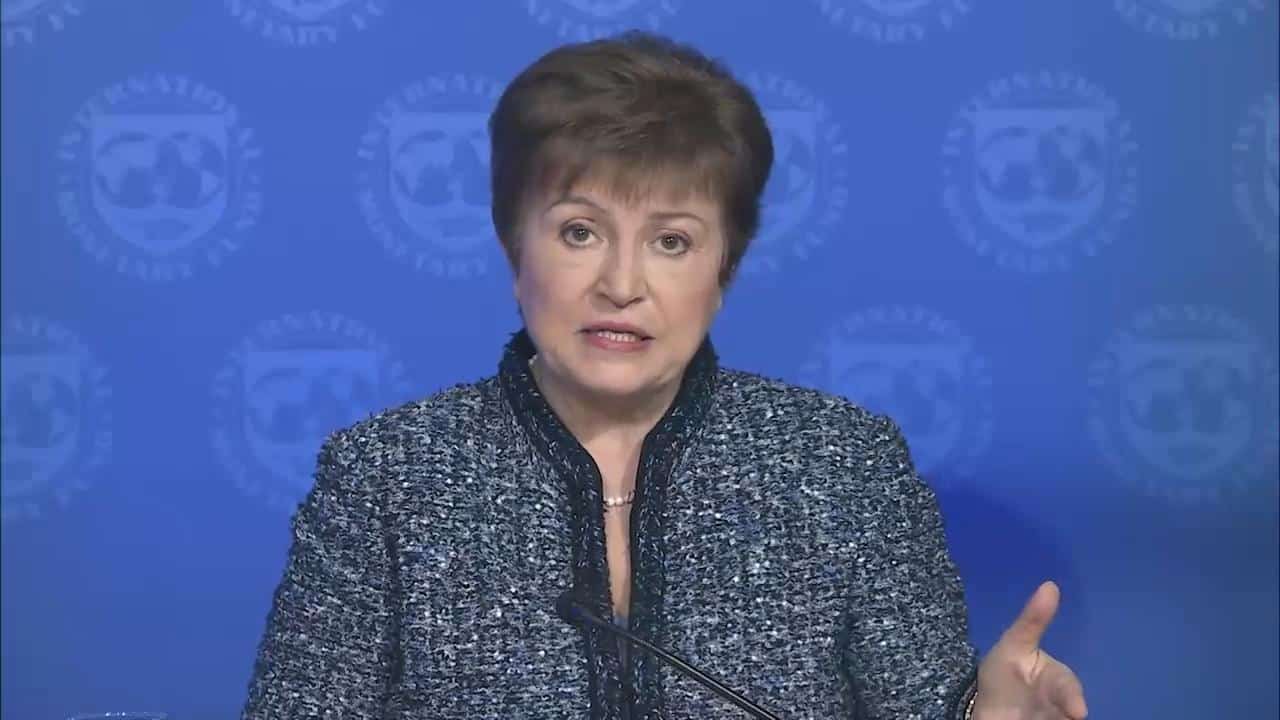
“As the world is confronting consecutive global shocks, we must not lose sight of the critical actions needed today to ensure longer-term resilience and sustainability,” IMF Managing Director Kristalina Georgieva said in a statement announcing the new trust.
She added that the goal of the trust is to redistribute funds from wealthier countries to more vulnerable ones as members look to support global economic recovery from the Covid-19 pandemic.
Around three-quarters of the IMF’s 190 members will be eligible to borrow from the new tool, it estimates.
First proposed last year, the RST will offer extended repayment periods, with a 20-year maturity and 10-year grace period.
In order to access the money, member countries will need “a package of high-quality policy measures,” have sustainable debt and “adequate capacity to repay,” the IMF said.
It added that the trust will require close collaboration with the World Bank and other international financial institutions.
“The RST will amplify the impact of the $650 billion SDR allocation implemented last year by chanelling resources from economically stronger members to countries where the needs are greatest,” said Georgieva.
The increase was the biggest ever for SDRs, which are international reserve assets that aid governments in protecting their financial reserves against global currency fluctuations and also help the IMF calculate loans and interest rates.