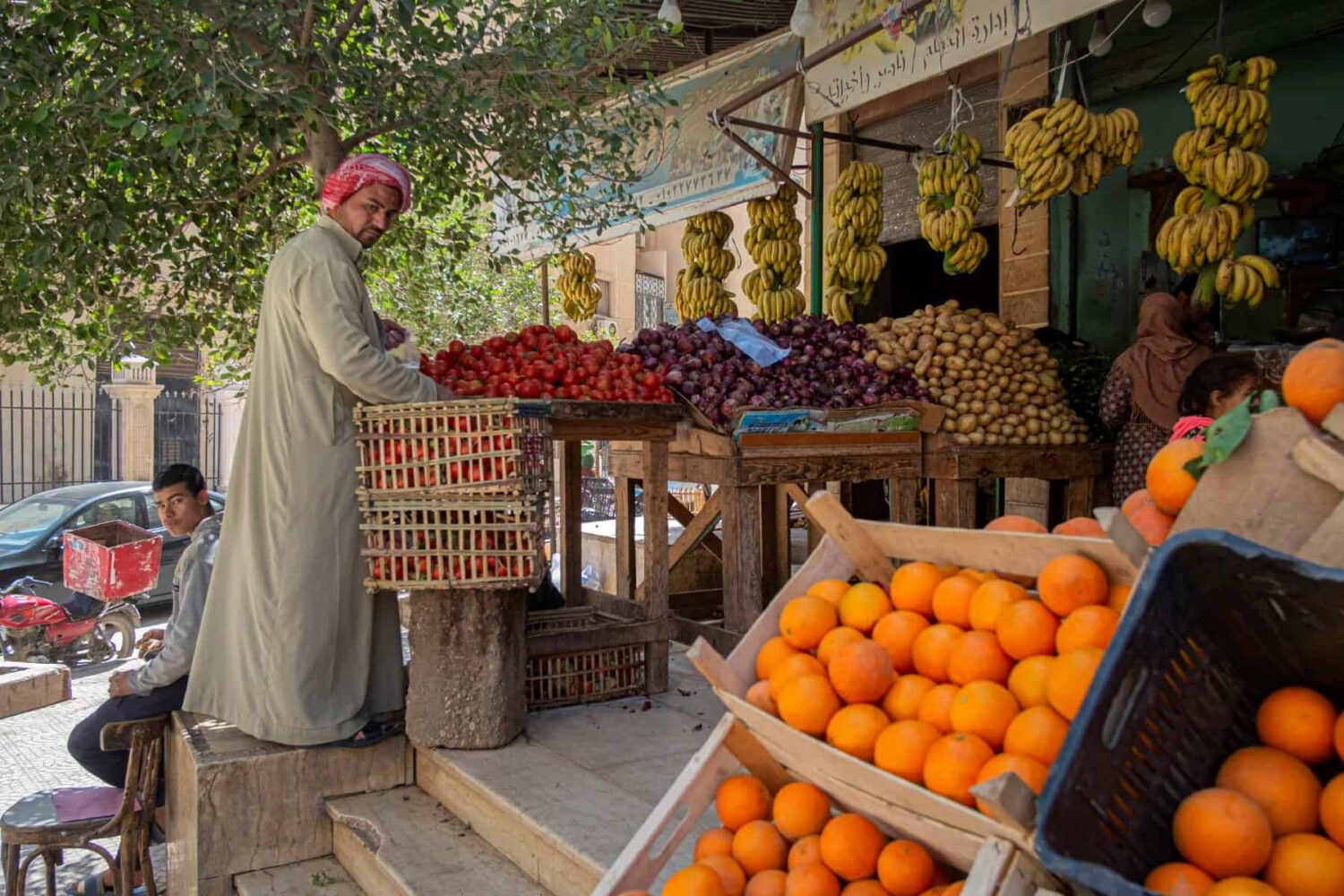

Jordan registered higher demand for food commodities during the holy month of Ramadan this year than in previous years amid the coronavirus pandemic.
Amman Chamber of Trade President Khalil Haj Tawfiq said this, noting that food sector sales picked up after falling in the first four days of Ramadan.
He said demand rose and restaurants began early on with life returning to normal after two years of pandemic-induced lockdowns.
Tawfiq, who is also head of the Foodstuff Traders Association, said high demand was not associated with a rise in imported foodstuff prices.
However, it excludes some locally produced items, such as vegetables, poultry and fresh meats which saw price hikes.
وصف رئيس غرفة تجارة عمان خليل الحاج توفيق، الطلب على المواد الغذائية والأساسية خلال شهر رمضان المبارك، بالجيد مقارنة مع مواسم سابقة جاءت وسط أزمة جائحة كورونا.#غرفة_تجارة_عمان#البيت_الآمن_للتاجر pic.twitter.com/Wz1ig8BGI5
— Amman Chamber of Commerce (@AmmanChamber) May 7, 2022
He said staple food items remained in sufficient supply during Ramadan, adding that 85 per cent of the Kingdom’s food needs are imported from abroad.
The estimated value of imports is JD4 billion ($5.64 b) annually, part of which is raw material for the local industry.
Haj Tawfiq said all global indicators point that food prices will continue to rise, which requires caution and boosting the country’s strategic food stocks.
He noted medium- and low-income Jordanian families spend 45 per cent of their income on food, and are the most impacted group by high prices denying that there is a monopoly in the local market.
“There is no such thing as a monopoly in an open market with strong competition, and high supply against limited demand,” Tawfiq explained.