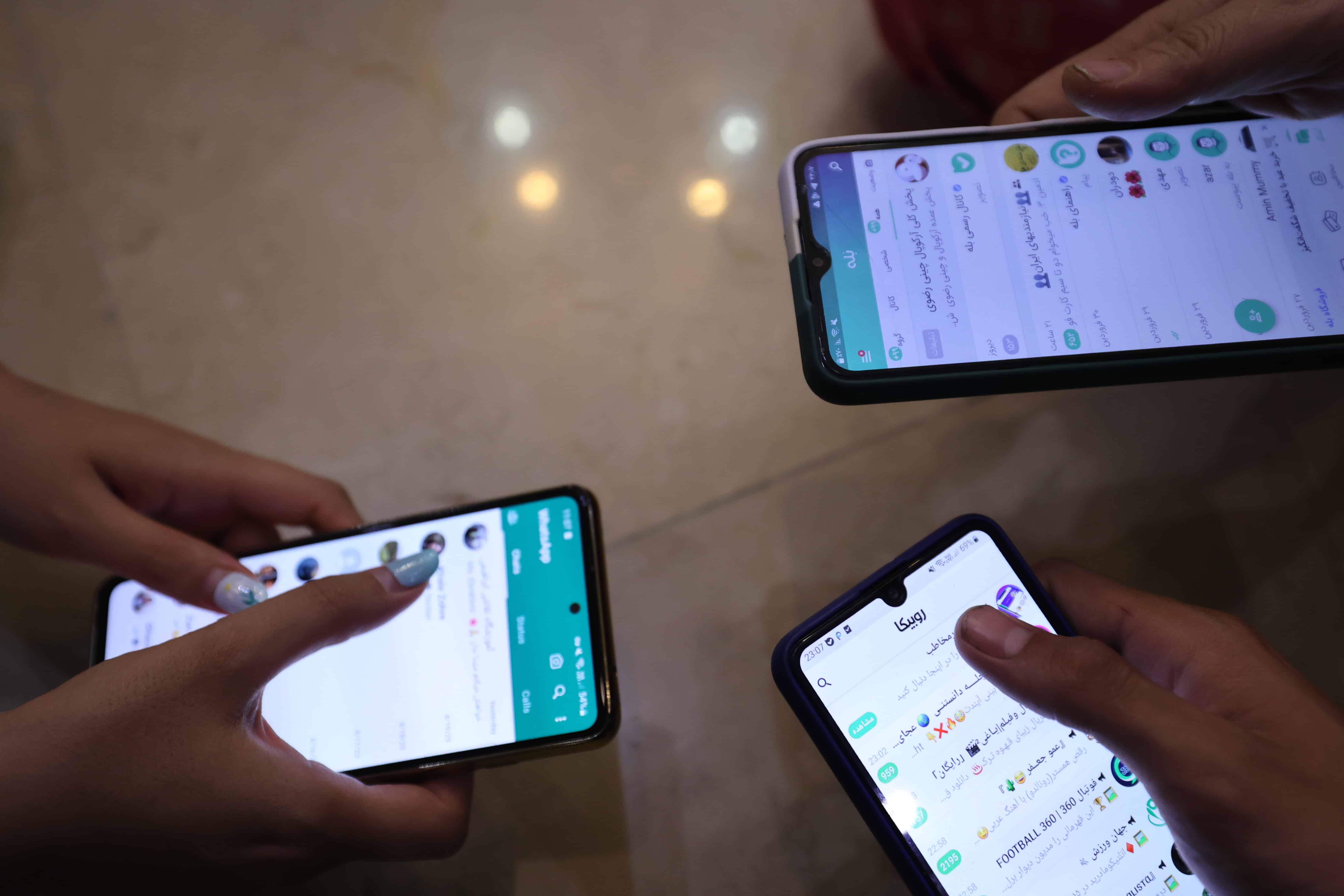

Geneva, Switzerland — A third of the world’s population is still without access to the internet, even though the number of people connected has never been so high, according to the latest UN statistics published on Tuesday.
Around 100 million more people are able to access the internet since last year’s census by the International Telecommunication Union (ITU), the UN agency for information and communication technologies.
That means 67 percent of the world’s population, or 5.4 billion people, are now online.
However, the other 2.6 billion people are still without access.
“This improvement in connectivity is another step in the right direction,” said ITU Secretary-General Doreen Bogdan-Martin.
“We won’t rest until we live in a world where meaningful connectivity is a lived reality for everyone, everywhere,” she added in a statement.
Sustained efforts are needed “to achieve universal and meaningful connectivity by 2030,” the ITU chief said.
With the developed world already online, the biggest growth areas for connectivity are in low-income countries.
The latest global estimates confirm that the double-digit growth in connectivity observed at the 2020 peak of the Covid-19 pandemic was short-lived.
“Current trends are not strong enough to guarantee that the objective of universal and meaningful connectivity will be met by 2030,” the ITU said in Tuesday’s report.