
Tehran, Iran— BRICS is preparing to launch new bonds in global markets, which will be available in local currencies rather than in the US dollar
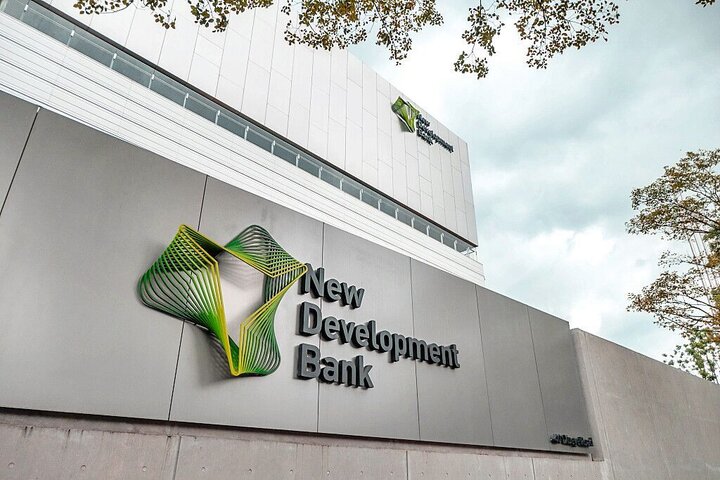
The BRICS bank, known as the New Development Bank (NDB), will soon release the bonds called ‘Maharaja Bonds’ worth $28 billion, IRNA reported on Sunday citing a press release by Watcher Guru, a website introducing itself as a leading source for finance focusing on cryptocurrency.
Watcher Guru did not specify the exact date the bonds will be released but said that NDB Chief Operating Officer Vladimir Kazbekov has announced that the bank is waiting for approvals from regulatory authorities.
The new bonds, according to the website, will be made available for governments, financial institutions, and regular investors.
They will be available for purchase in local currencies in an effort to strengthen them and to help boost their respective economies.
The plan to release the bonds is part of BRICS’s initiatives for de-dollarization as the alliance is moving ahead to reduce dependency on the American currency in an effort to reform the global economy.
BRICS is comprised of Brazil, China, Russia, India, and South Africa as well as six new members namely Iran, Saudi Arabia, the UAE, Egypt, Argentina, and Ethiopia.
BRICS leaders, at their latest summit in late 2023, pledged to promote the use of local currencies as a way to ditch the US dollar, as they unanimously rejected exploiting the global economy for political purposes.