
By Charles Philion
There is a particular kind of confidence that arrives only after the party quiets down. For much of 2025, Dubai’s property market was the loudest noise in the room when it came to global real estate — record transaction volumes, queues for off-plan launches, and a sense that any address with a view would sell itself. In May 2025 alone, the market turned over close to AED 80 billion, an all-time high.
A year on, the mood has changed — and the change is healthier than the headlines suggest. In May 2026, Dubai recorded more than 14,000 property transactions worth over AED 38 billion. Set against last year’s record, that looks like a steep fall, nearly half the volume. But comparing any month with the single best in the market’s history is just a trick of the light. Measured against any normal year, May was a firm and busy month — and it extended a run of growth that has continued, month after month, since March.
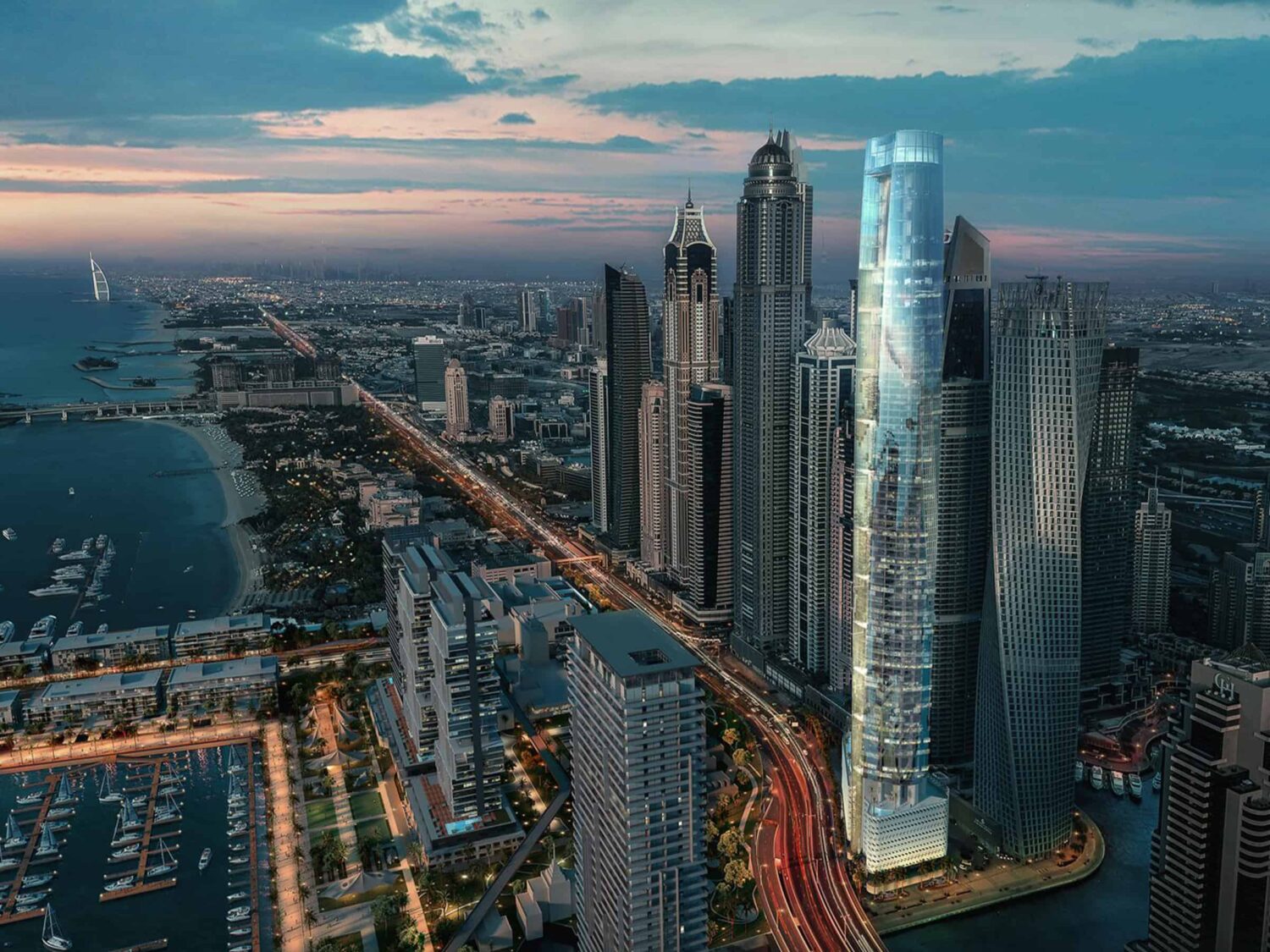
What has actually happened is that the market has found a new level and a new temperament.
The clearest evidence is in the secondary market, where ready homes change hands between buyers and sellers. A year ago, these resales made up around 35 per cent of all transaction value. This May, they accounted for under 20 per cent. That is not a sign that buyers have disappeared — it is a sign that they have become more choosy. Across the city, purchasers are very much present, but they are opening their chequebooks only where the price reflects a genuine discount. The era of paying whatever it takes to get in is over; the era of waiting for the right number has begun.
That discipline tells you something about who is buying. A meaningful share of investor capital is sitting on the sidelines, waiting for an unmistakable signal that the next leg of the cycle has begun. The geopolitical weather across the wider region has improved, but not entirely cleared, and cautious money tends to keep its powder dry until the skies brighten. In the meantime, the buyers who are active are negotiating hard.
Land emerges as a key signal
Two parts of the market, though, have not cooled at all.
The first is land. In May, land deals were worth AED 16.3 billion — almost exactly level with off-plan sales, and a far larger slice of the market than a year ago. When developers and institutions start buying ground rather than finished product, they are voting on the future: positioning for the next building cycle rather than flipping today’s inventory. It is one of the most telling signals in the entire dataset.
Luxury market remains resilient
The second is the top end. Dubai’s appetite for trophy property remains undimmed. May produced a clutch of landmark sales — a AED 112.5 million residence in Jumeirah, a AED 106 million home at La Mer, a AED 101.2 million property on the Dubai Water Canal. Palm Jumeirah alone supplied five of the ten most valuable deals of the month, with the Dubai Water Canal accounting for three more. At the very summit of the market, where scarcity is real and substitutes do not exist, the world’s wealthiest buyers are still committing without hesitation. In the established communities too — Burj Khalifa, Business Bay, Dubai Marina — demand has held firm, a reminder that prime location remains the city’s most durable currency.
Rising construction costs pose a challenge
If there is a cloud on the horizon, it is not on the demand side at all. It is in the cost of building. Concrete and steel have climbed sharply since the start of the year, with broader commodity benchmarks for oil and aluminium up around a fifth since late 2025. As input costs rise, developer margins compress, and some projects may slip or be rephased. For anyone with money committed to off-plan property, the question of whether a building will actually be delivered on time deserves more attention than it 12 months ago.
A market finding its footing
Put it all together and a clear picture emerges. This is not a market in retreat. It is a market that has matured — trading at a higher base than almost any point in its history, rewarding patience over haste, and separating the genuinely scarce from the merely available. The speculation has cooled. The substance has not.
For the GCC investor who has watched Dubai’s booms and corrections come and go, this may be the most reassuring phase of all: a market that has learned to keep its head.
(The author is the founder of Pure Value)