
Riyadh, Saudi Arabia – Saudi Arabia announced Wednesday it is ready to open the first part of the Riyadh Metro, a major project intended to help shift the car-centric kingdom to public transport.
Three lines will open to the public on December 1, “with gradual launches completing the six-line, 176-kilometre (109 mile) network across the city,” the Royal Commission for Riyadh City said in a statement.
All six lines are expected to be operating by January 5, the statement said.
“The network has been developed to transport over 3.6 million passengers at maximum capacity and operates on a fully automated (driverless) metro system,” the statement said.
Services will be provided by 183 trains with 448 carriages manufactured by Siemens of Germany, Bombardier of Canada and Alstom of France, the statement said, adding that they feature “a modern and unified design” by French firm Avant Premiere.
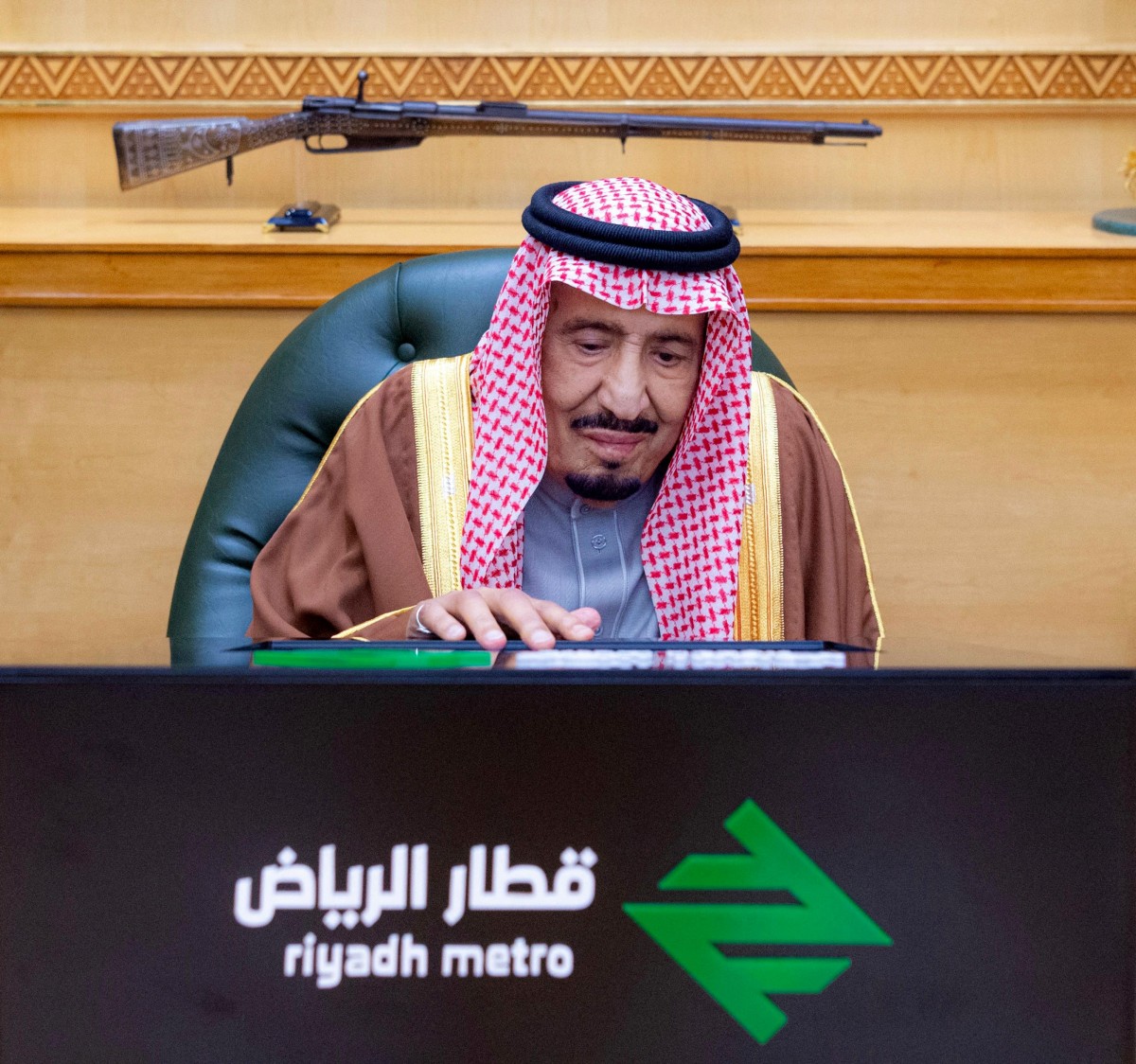
The official Saudi Press Agency published a photograph of King Salman, who served as governor of Riyadh for nearly half a century, formally declaring that the project — billed as “the backbone of the capital’s public transportation network” — had been inaugurated.
Riyadh, a fast-growing city of around eight million people, has become a laboratory for various signature projects under the Vision 2030 reform agenda of Crown Prince Mohammed bin Salman, King Salman’s son and the de facto ruler.
These include theme parks, sports stadiums, tourist attractions showcasing Saudi history and office towers meant to house companies establishing regional headquarters in the kingdom — a requirement for securing government contracts.
But while the city is developing an extensive bus network, cars remain by far the most common means of transport, especially in the summer months when temperatures can reach 50 degrees Celsius (122 degrees Fahrenheit).
Saudi Arabia is the world’s biggest exporter of crude oil, though Vision 2030 is intended to transition the kingdom away from fossil fuels.
Saudi Arabia has pledged to achieve net zero carbon emissions by 2060, and the Royal Commission for Riyadh City said the metro highlighted the government’s commitment to sustainable development.
“Aligning with global sustainability standards and smart sustainable solutions, the network integrates environmental practices, featuring stations constructed with 20% recycled materials and local resources, and engineered to lower energy and water usage,” it said.