
This is a temporary backup site for TRENDS MENA while our primary website is being restored following a regional disruption affecting Amazon Web Services cloud infrastructure in the GCC.

Search Site

ADNOC Distribution 2025 dividend $700m

The company had reported EBITDA of $1.17 bn in 2025.

Empower okays $119.1m H2 2025 dividend

The dividend is equivalent to 43.75% of paid-up capital.

Alujain widens 2025 loss

The increase in loss is due to impairment charges, weaker prices.

Masar 2025 net profit $262m

Higher land plot sales boost revenue and operating income.

Tasnee’s 2025 losses deepen

The petrochemicals' company's revenue also fell 17.7 percent.

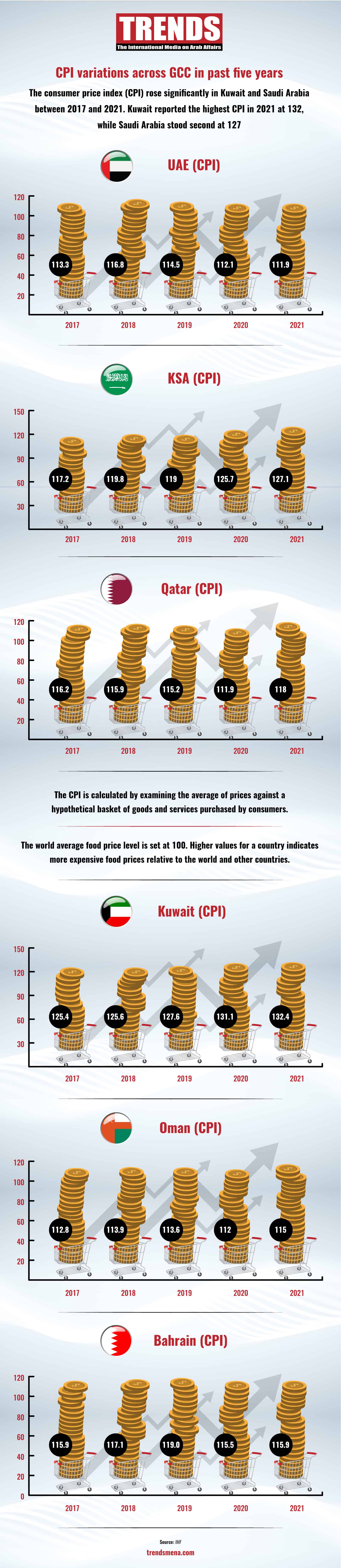
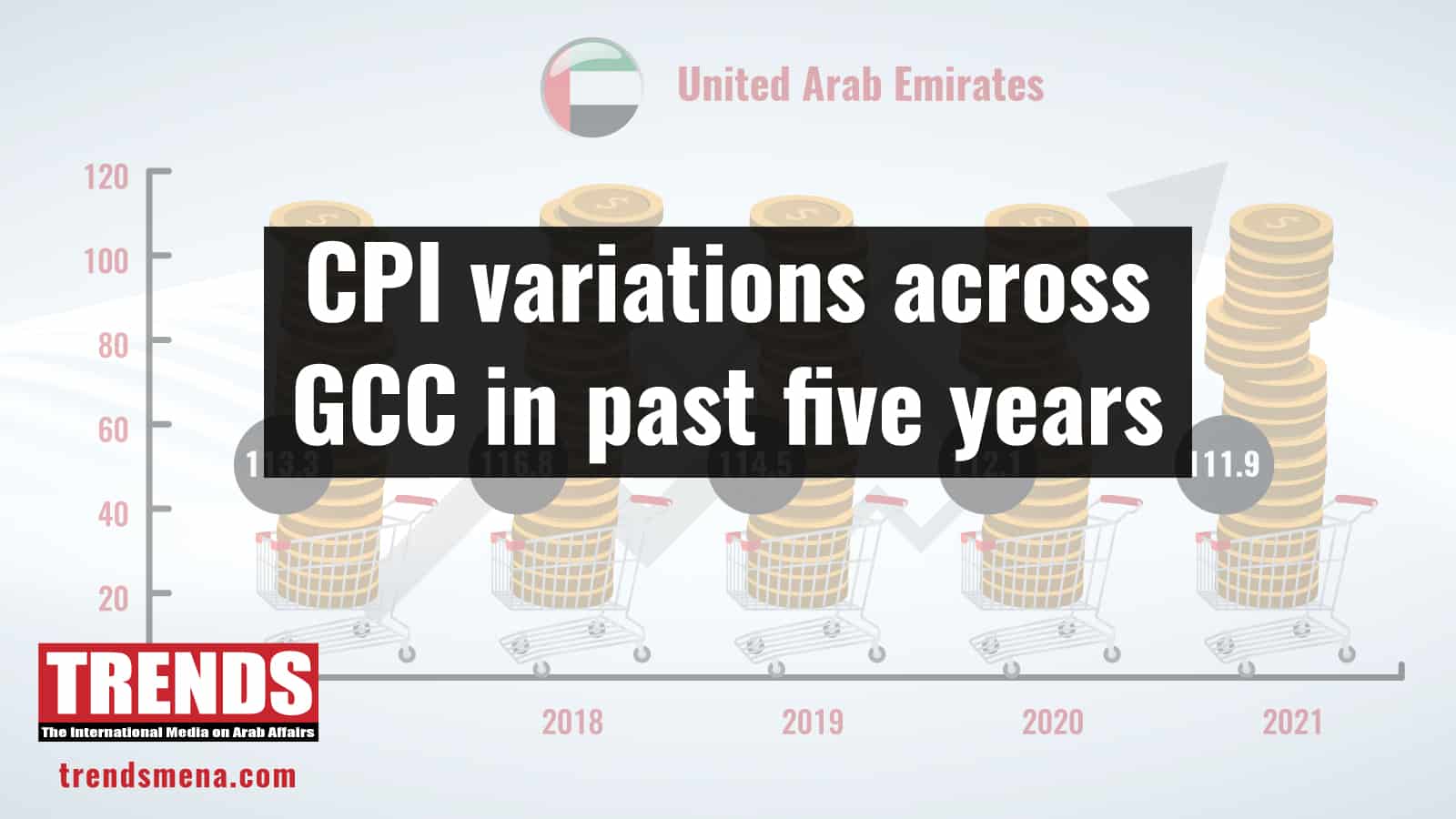
GCC nations see varying CPI in last 5 years

  • CPI is used to measure the average change in prices — of a fixed basket of goods and services that consumers pay for — over time
  • Consumer Price Index also happens to be the one index that is most widely used to measure inflation overall

Consumer Price Index (CPI) is one of the two indicators that economists usually utilize to quantify the rate of inflation, the other being Wholesale Price Index (WPI).

CPI is used to measure the average change in prices — of a fixed basket of goods and services that consumers pay for — over time.

It also happens to be the one index that is most widely used to measure inflation overall.

Various factors — global, regional, and local — affect CPI, and each has a distinct effect.

So, when the price of oil goes up, the price at the petrol pump goes up as well, adding to CPI.

The correlation is direct when oil prices go down.

GCC countries have witnessed a varying degree of change when it comes to CPI.

Here’s a look at which country saw how much change over the previous few years: