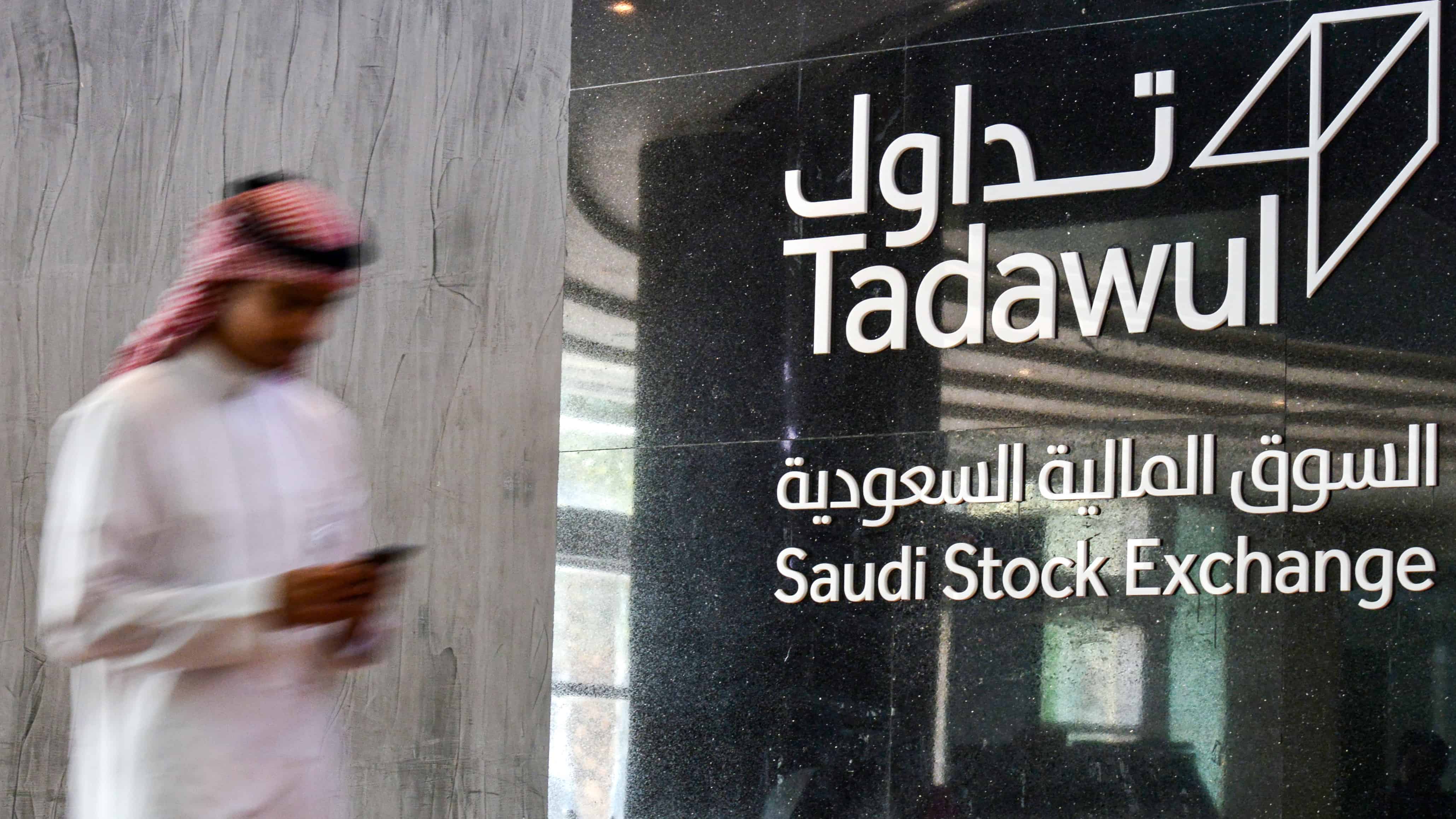

Riyadh, Saudi Arabia – The Saudi capital market has witnessed a surge in foreign investments, with the value soaring by 300% over the past five years. From 2018 to the end of 2022, the foreign investments totaled SAR 347.01 billion ($92.53 billion), according to the Capital Market Authority (CMA).
This exponential growth accounts for 14.2% of the total value of free float in the main market, compared to SAR 86.86 billion ($23.48 billion) in 2018, representing 3.77% of the total value of free float shares in that year.
Abdullah Mohammed Binghannam, Deputy of Listed Companies and Investment Products at the CMA, highlighted the efforts aimed at positioning the Saudi capital market among leading global markets. Diversifying the investor base has been instrumental in achieving this objective.
Since allowing direct foreign investment in 2015, the Saudi Capital Market has evolved into a hub where foreign investors actively engage in daily trading, now surpassing 17% compared to less than 4% previously. Notably, foreign ownership value has exceeded SAR 347 billion, contributing significantly to company offerings and the debt instruments market.
Binghannam stressed the positive impact of increased foreign investors’ participation on the local economy, citing their contribution to financing listed firms’ growth and imparting knowledge and expertise to local companies.
Efforts by the CMA include measures to ease entry for foreign investors, such as allowing direct investment in debt instruments, approving instructions for International Central Securities Depositories, and recent facilitation of rules for foreign investment in securities.
The CMA’s strategic plan aims to elevate the Saudi market’s global classification, enhancing its attractiveness and competitiveness internationally. Among its key objectives is the enhancement of the market’s appeal to foreign investors.