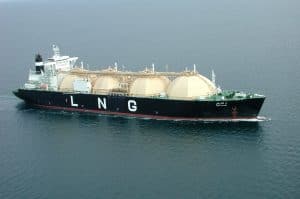
Hezbollah chief Hasan Nasrallah Thursday said a tanker would set off from Iran “within hours” to bring desperately needed fuel supplies to Lebanon, in defiance of US sanctions.
Nasrallah had previously said that he would turn to his movement’s ally Tehran if authorities failed to address acute and growing fuel shortages brought on by an economic crisis the World Bank has described as one of the planet’s worst since the mid-19th century.
The move, prohibited by US sanctions on Iran’s oil industry, could drag Lebanon into the covert naval war between Tehran and Israel, and Nasrallah dared Iran’s foes to stop the shipment.
“The vessel, from the moment it sails in the coming hours until it enters (Mediterranean) waters, will be considered Lebanese territory,” Nasrallah said during a televised speech to mark the Shiite Muslim commemoration of Ashura.
“To the Americans and Israelis, I say: it’s Lebanese territory.”
He said a first ship would bring fuel but added more vessels would follow to address shortages that have ground Lebanon to a halt.
Neither the Iranian nor the Lebanese governments have confirmed the paramilitary organisation’s claim.
Nasrallah did not specify where or how the shipment would reach Lebanon and be offloaded.
Since February this year, Iran and Israel have been engaged in a “shadow war” in which vessels linked to each nation have come under attack in waters around the Gulf in tit-for-tat exchanges.
The bankrupt Lebanese state can no longer afford key imports nor subsidise essential goods, leading to crippling and sometimes deadly shortages of electricity, petrol and medicines among other things.
Without the diesel needed to power generators, Lebanese have faced power cuts lasting up to 22 hours a day, with businesses, hospitals and government offices forced shut.