
Dubai, UAE — A vessel belonging to a Saudi company was struck while transiting the Red Sea after Yemen’s Iran-backed Houthi rebels claimed they had targeted two Saudi oil tankers, marking an escalation in threats to shipping lanes as conflict across the region intensifies.
Saudi state media, citing an official source, said the vessel ENCELIA caught fire at its bow after being hit while sailing in the Red Sea, but all crew members were safe.
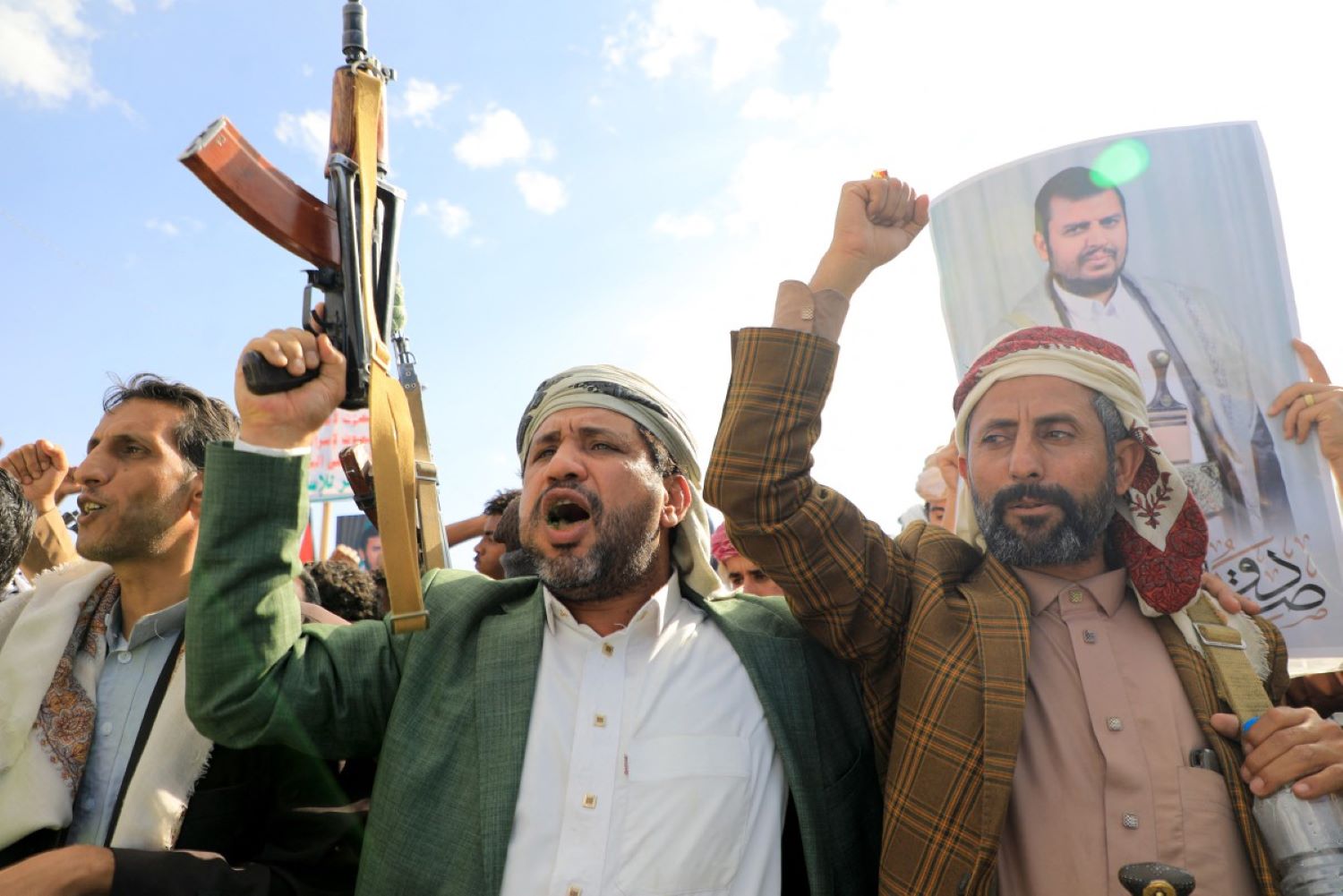
Earlier, the Houthis said they had targeted two Saudi oil tankers, identified as ENCELA and LAYLIA, saying the ships had violated a naval blockade the group announced against Saudi Arabia earlier this week.
The latest attack comes after U.S. President Donald Trump warned that Washington would strike Iran’s civilian infrastructure, including bridges and power plants, every time Tehran attacked shipping in the Strait of Hormuz, signaling a further hardening of the U.S. response to threats against one of the world’s most important energy transit routes.
The United States carried out military strikes against Iran for an 11th consecutive day on Wednesday. On Wednesday, Trump attended the dignified transfer of the remains of four U.S. service members killed in the Iran conflict, including three killed in an Iranian missile strike on a military base in Jordan and another in a separate incident in northern Iraq, underscoring the growing human cost of the confrontation.
Separately, Iran’s Revolutionary Guards said they had stopped three oil tankers attempting to pass through the Strait of Hormuz using what they described as a mine-laid route south of the waterway, warning that vessels transiting without coordination with Tehran would face the same fate.
The Houthis, who are aligned with Iran, announced a naval blockade on Saudi Arabia on Monday, prompting the Saudi-led coalition to warn it would respond firmly. The move has raised concerns over potential disruption to global energy supplies beyond the Gulf.
Speaking at a meeting of Southeast Asian foreign ministers in Manila, U.S. Secretary of State Marco Rubio said Washington remained willing to engage with Tehran if it demonstrated a genuine commitment to negotiations.
“If they’re serious, we’re serious. If they’re not, then we will do what’s necessary to protect our interests, and also the interests of our allies,” Rubio said.
Rubio also warned that allowing Iran to control the Strait of Hormuz would set a dangerous global precedent.
“If we create a precedent in the Middle East where a nation-state can decide to control an international waterway, charge a toll, and blow up your ships if you don’t pay, we have created a very dangerous precedent,” he said.