
-
The heaviest clashes were in Beita village near Nablus in the northern West Bank where residents have held regular demonstrations since May
-
The Red Crescent said most of those injured Friday across the West Bank needed treatment for tear gas inhalation
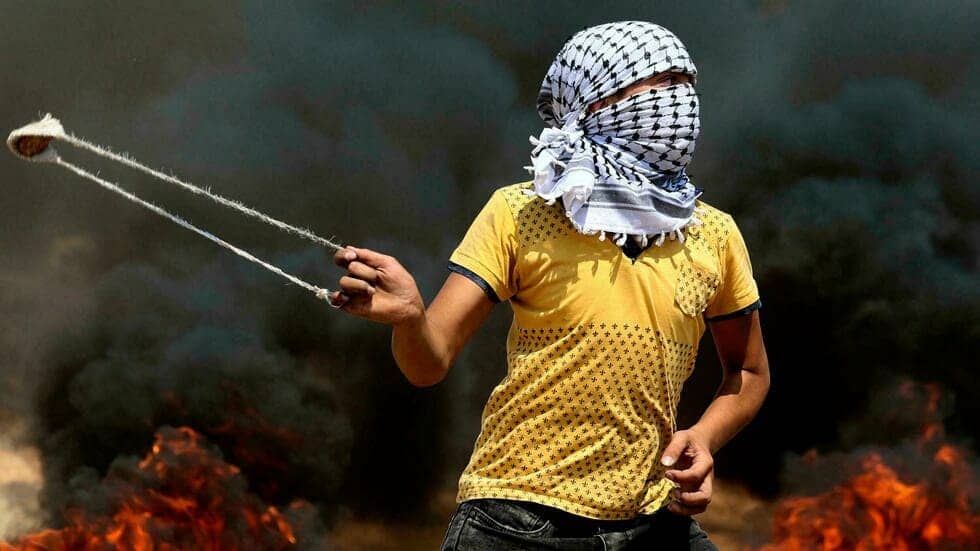
About 270 Palestinian protesters were injured, mostly by tear gas fire, in clashes with Israeli troops Friday in the West Bank, the Palestinian Red Crescent said.
The heaviest clashes were in Beita village near Nablus in the northern West Bank where residents have held regular demonstrations since May when Jewish settlers started to set up caravans and pave roads on a disputed hilltop.
The Red Crescent said most of those injured Friday across the West Bank needed treatment for tear gas inhalation, while seven Palestinians were injured by live fire and about 50 by rubber bullets.
The Israeli army told AFP a crowd of about 150 Palestinians in Beita threw rocks and burning tyres at soldiers, who responded “with riot dispersal means” and rounds of gunfire.
In the south of the territory, soldiers clashed with Palestinians in Beit Ummar mourning the death of Shawkat Khalid Awad, 20, who was killed by army gunfire Thursday at the funeral of a Palestinian boy.
Two Palestinians have been shot and fatally wounded by Israeli army gunfire in Beita over the past week.
Soldiers have been defending caravans on a site called Eviatar that was evacuated in early July while the defence ministry rules on whether the area can be declared state land.
All Jewish settlements in the West Bank, which Israel captured in 1967, are considered as illegal by most of the international community.