
Moscow, Russia – Russia will soon discuss revoking the ratification of the Comprehensive Nuclear Test Ban Treaty, the speaker of the lower house of parliament said Friday.
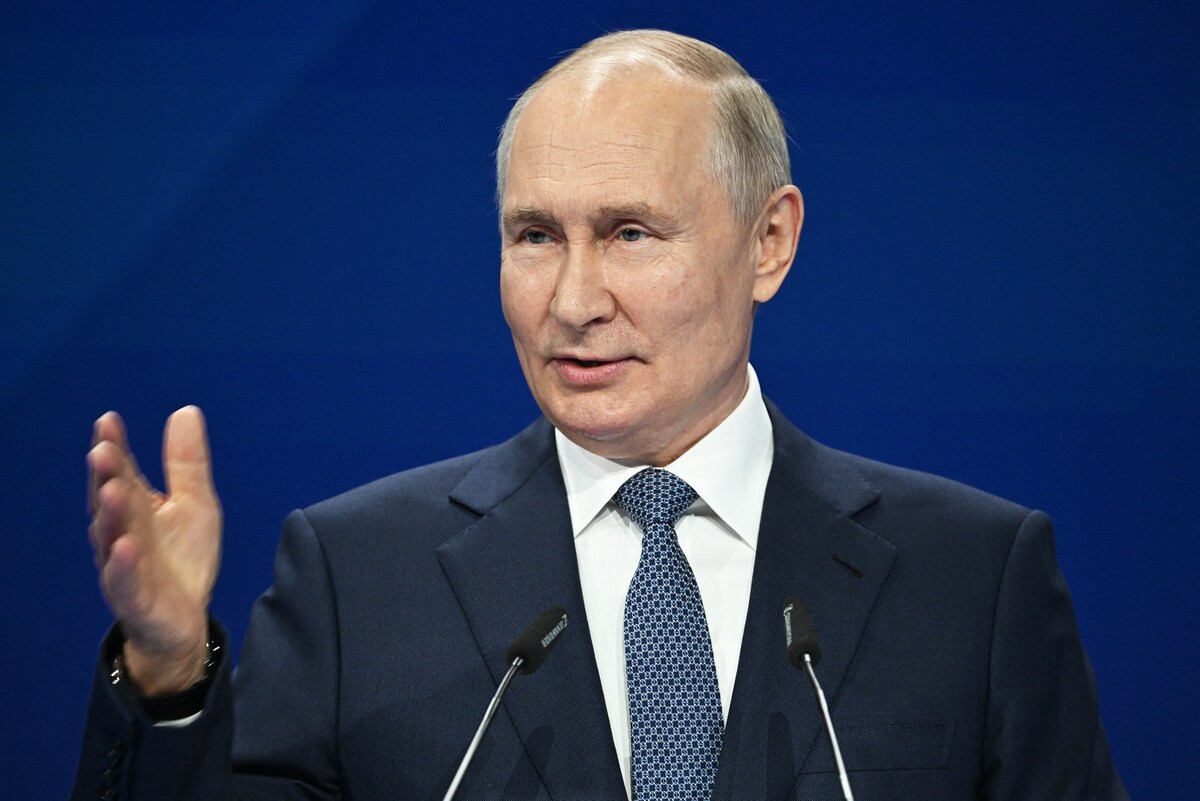
Vyacheslav Volodin made the announcement a day after President Vladimir Putin evoked the possibility of such a move, which could further escalate tensions between Russia and the West amid Moscow’s military offensive in Ukraine.
“At the next meeting of the State Duma Council we will definitely discuss the issue of revoking ratification of the Comprehensive Nuclear Test Ban Treaty,” Volodin said in a statement.
“This is in line with the national interests of our state. And it will be a mirror response to the United States which has not yet ratified the treaty.”
Russia ratified the treaty in 2000.
Washington announced a moratorium on tests in 1992 and in 1996 signed the Comprehensive Test Ban Treaty but has yet to formally ratify it.
“Theoretically, it is possible to revoke ratification, and if we do this, this will be enough,” Putin said at a meeting of the Valdai Discussion Club on Thursday.
After the start of Moscow’s offensive in Ukraine Putin ordered the mobilization of Russian nuclear forces and escalated nuclear rhetoric, giving rise to deep worries that he was willing to start a nuclear exchange.