
Tunisian President Kais Saied declared war Wednesday on food speculators amid a shortage of products such as wheat and semolina — key staples in a country already mired in a political-economic crisis.
Russia’s invasion of Ukraine has threatened supplies of basic foodstuffs, particularly wheat which many Arab countries chiefly import from the two eastern European nations.
Saied announced that he was launching a “relentless war on speculators and criminals”, accusing them of seeking to “strike at social peace and security”, in a presidency statement.
Saied had previously announced that he was working on legislation introducing prison sentences as a penalty for food speculation and profiteering.
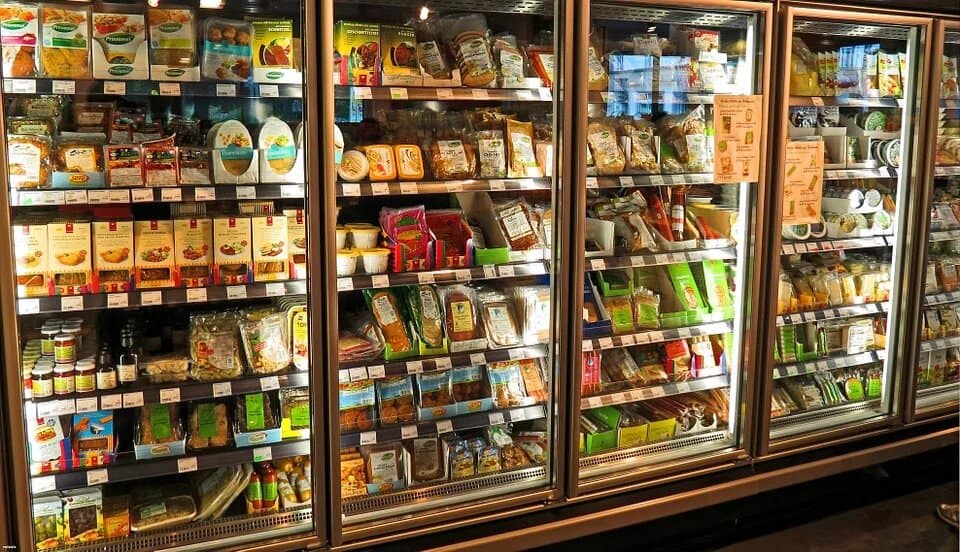
Tunisia has seen a sharp shortage in staples such as rice, semolina, sugar and flour over the past weeks, with the authorities frequently announcing the seizure of illegally stored quantities of these foods.
Tunisia remains embroiled in economic and political crisis eight months after Saied seized extraordinary powers, having dissolved parliament and suspended the government.
Russia’s invasion of Ukraine poses a threat to food supplies to Tunisia, which imports about half its wheat from Ukraine and is dependent on foreign countries for much of its food supplies.
The North African country began talks in February with the International Monetary Fund over a potential multi-billion-dollar bailout for the country’s crisis-hit economy.
The lender has called for “deep reforms” and public spending cuts, having previously voiced concern over Tunisia’s budget deficits and in particular its public sector wage bill.