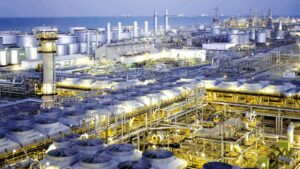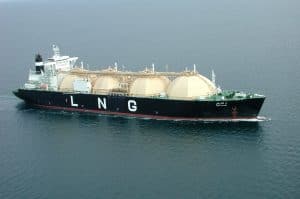

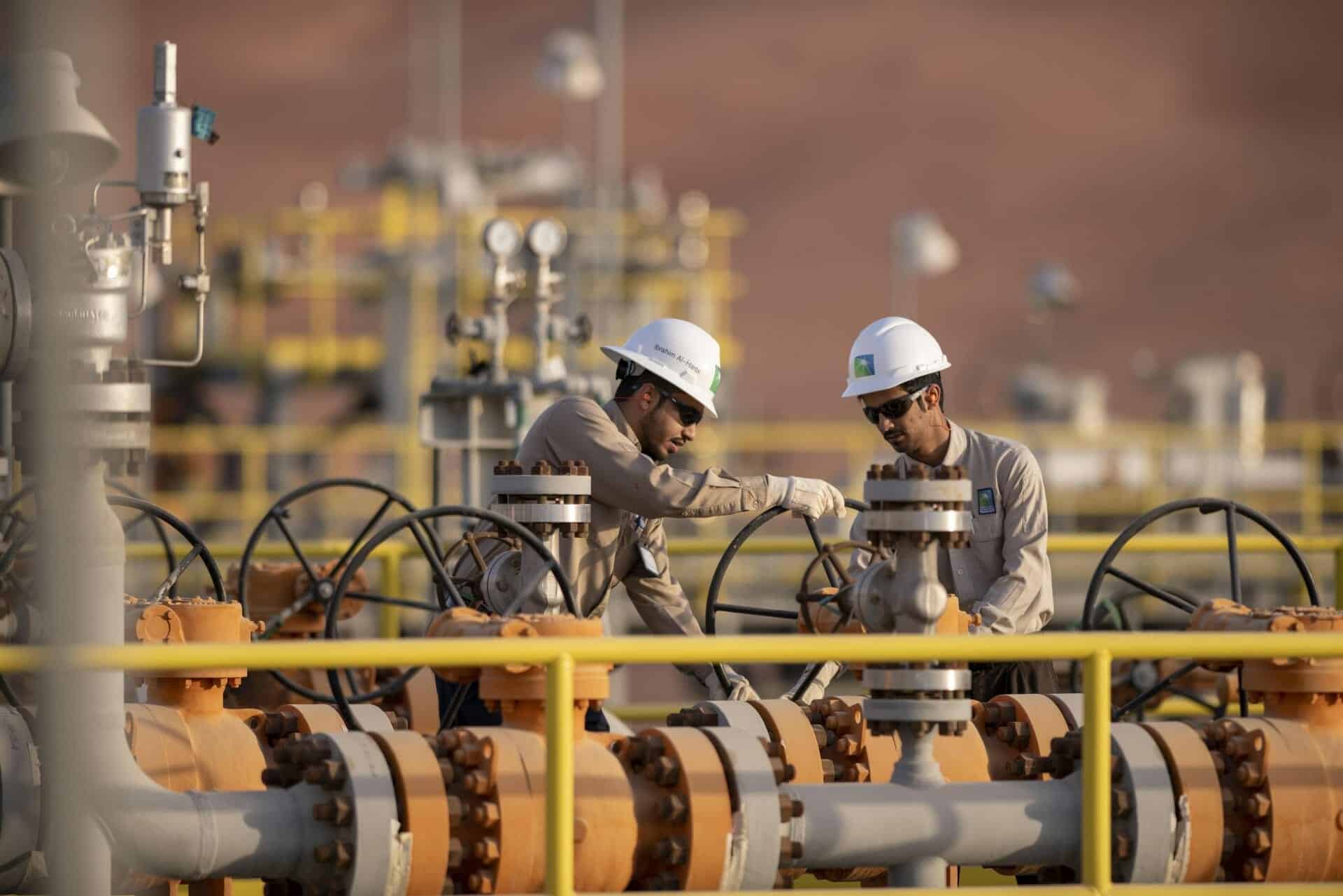

Energy giant Saudi Aramco committed to being a net zero enterprise by 2050, its chief said on Saturday, shortly after the kingdom said it aimed to achieve zero carbon emissions by 2060.
Saudi Arabia, the world’s top crude exporter, said it would also join a global effort to cut methane emissions by 30 percent by 2030.
“Saudi Aramco will achieve an ambition of being also a net zero from our operation by 2050,” Amin Nasser told the Saudi Green Initiative forum.
“We understand that the road will be complex, the transition will have its challenges, but we are confident we can meet them and accelerate our efforts to a low emission future.”
Earlier, in recorded remarks, Saudi Crown Prince Mohammed bin Salman told the forum that the kingdom’s target was to reach net zero emissions by 2060.
As the global COP26 global climate summit approaches, a string of countries have pledged to aim for net zero emissions by 2050, and global airlines and banks are also targeting the mid-century goal.
UN chief Antonio Guterres said on Friday the current climate situation was “a one-way ticket for disaster”, stressing the need to “avoid a failure” at COP26 in Glasgow.
Held between October 31 and November 12, the gathering is seen as a crucial step in setting worldwide emissions targets to slow global warming.
Saudi Arabia is estimated to emit about 600 million tons of carbon dioxide per year — more than France and slightly less than Germany.
The year 2050 has become a focus for carbon neutrality, defined as achieving a balance between emitting carbon and absorbing carbon from the atmosphere.