
-
The Women’s Peace and Humanitarian Fund, UN will fund 6 Lebanese women’s organizations
-
Gender assessment of Beirut Port Explosion reveals female-headed households, elderly vulnerable
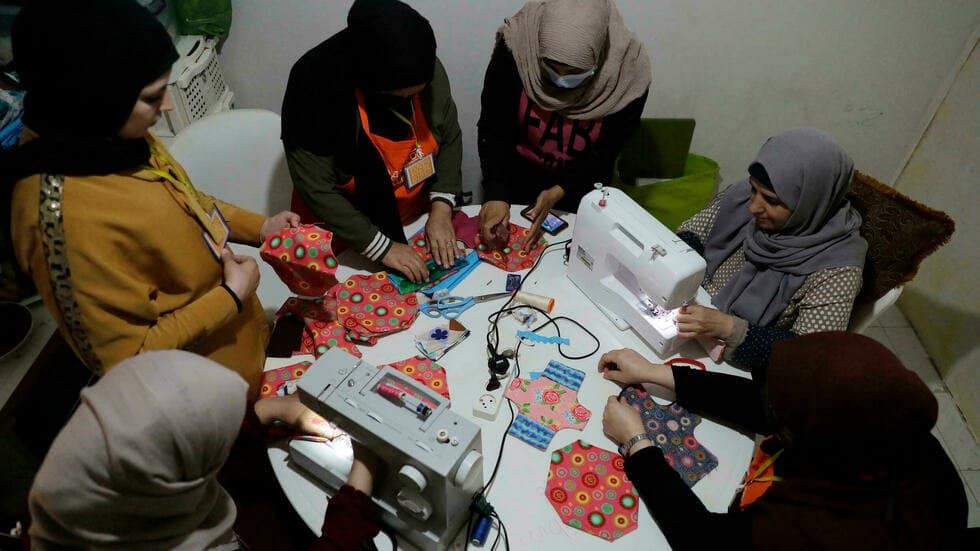
Beirut: The Women’s Peace and Humanitarian Fund (WPHF) and the United Nations in Lebanon have announced the launch of six grassroots projects to enhance women’s participation in the Beirut Port Explosion’s response and recovery process.
The announcement was made alongside the official launch of the WPHF in Lebanon.
The WPHF is a flexible and rapid financing tool supporting quality interventions to enhance the capacity of local women around the world to prevent conflict, respond to crises and emergencies, and seize key peacebuilding opportunities.
Supported by the Government of Germany, the WPHF in Lebanon will provide funding to six local women’s rights organizations.
The Beirut Port explosion, on 4 August 2020, created significant immediate humanitarian needs and severe long-term consequences.
A rapid gender assessment of the Beirut Port Explosion highlighted the large number of female-headed households living in the explosion-affected areas, and a large number of elderly women.
It found that female-headed households, elderly, refugees, disabled, LBQT women and migrant workers are particularly vulnerable to poverty and food insecurity as they have fewer resources to repurchase or replace damaged or destroyed belongings (including documentation), reconstruct damaged shelters (often rented), and buy food and essential items.
The assessment recommended, among other things, increasing the meaningful participation of women and marginalized groups in the decision-making for the design, implementation, management and evaluation of national and international response and recovery efforts.