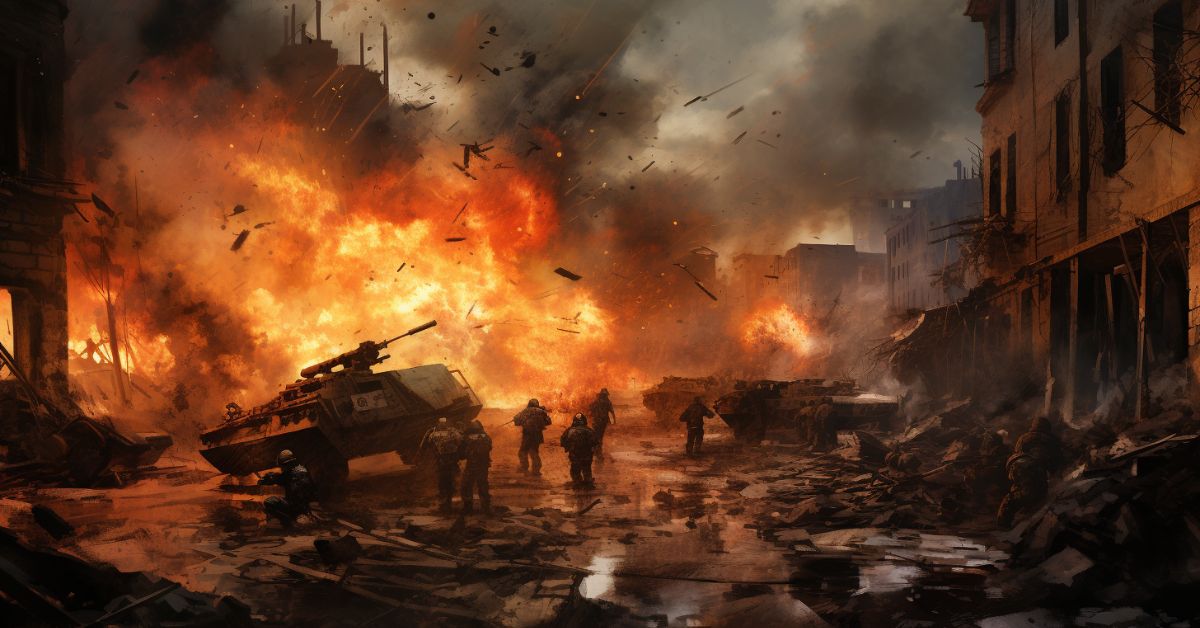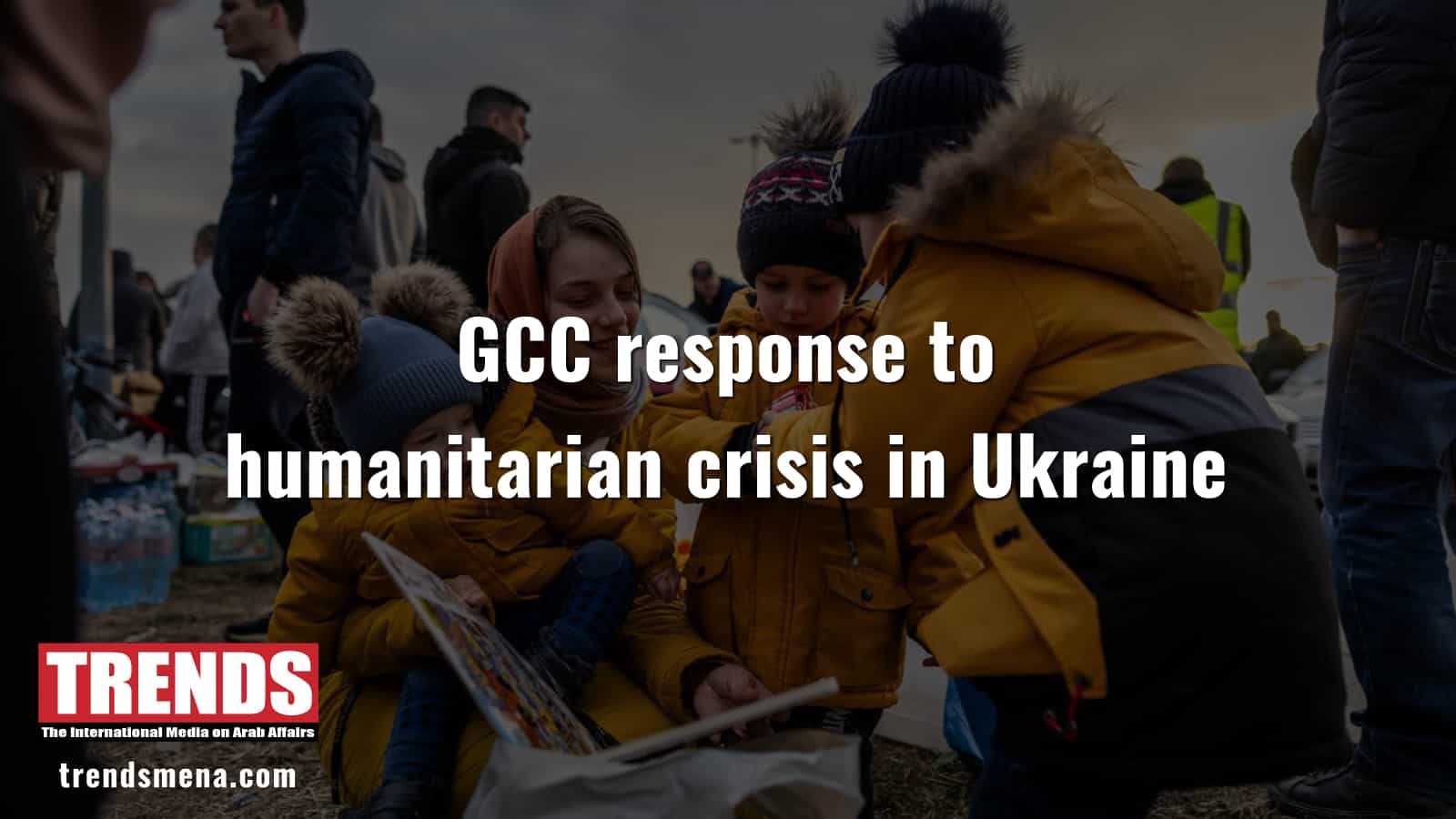

The invasion of Ukraine by Russia has evoked widespread concern around the world. Reactions varied from strong condemnation at world forums to harsh economic sanctions. At the same time, the world has responded to the emerging humanitarian crisis that has led to the displacement of millions of Ukrainians besides deaths and injuries.
Depending on geopolitical affiliations, several countries have stopped imports from Russia while others have initiated other harsh measures, such as the freezing of assets of several Russian oligarchs by the United Kingdom.
A sizable number of countries have apparently tried to tread a neutral path by choosing not to condemn the Russian “military operation” out rightly, but rather stress a reconciliatory approach. Many such countries abstained from a voting on a United Nations resolution on the invasion.
Among such countries are most of the Gulf Cooperation Council countries. But while they have not taken sides, they have not abdicated the humanitarian and other demands exacted by the conflict. For example, Saudi Arabia recently extended tourist and business visas of Ukrainian citizens without fees or fines for humanitarian considerations.
Trends takes a look at how GCC countries responded to the raging conflict.