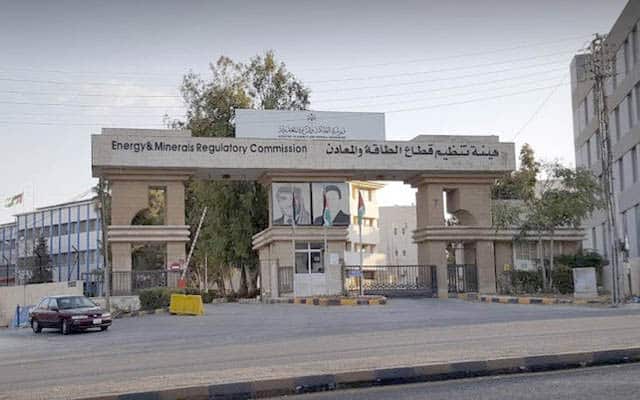

Jordan’s Energy and Minerals Regulatory Commission (EMRC) Board of Commissioners Chairman Hussein Labboun Monday denied any raise in electricity prices recently saying that the home tariff that has been in place since 2015 is still valid.
He ascribed any rise in the electricity bill to high demand during this winter, when the electric load was at 4,010 megawatts, the highest in the Kingdom’s history.
He referred to repeated complaints about higher electricity bills during summer or winter when temperatures rise or fall, prompting consumption to soar and shift to the high tariff category.
The past period saw multiple air depressions sending temperatures to dip and prompting consumers to resort to electricity for heating for longer-than-usual times, which reflected on the bill’s value, Labboun explained.
The EMRC verifies the electricity companies’ commitment to issuing monthly bills on time according to the commission’s regulations, he said.
On electricity loss, Labboun said the amount of consumption determines the tariff and ultimately a bill’s value, adding that the EMRC decides the voltage level on the grid “within the Jordanian codes and standards.”