
Dubai, UAE— Online shopping has been a preferred way of buying stuff for million of people all over the world. In the Middle East too, tens of thousand turn to the internet to buy merchandise.
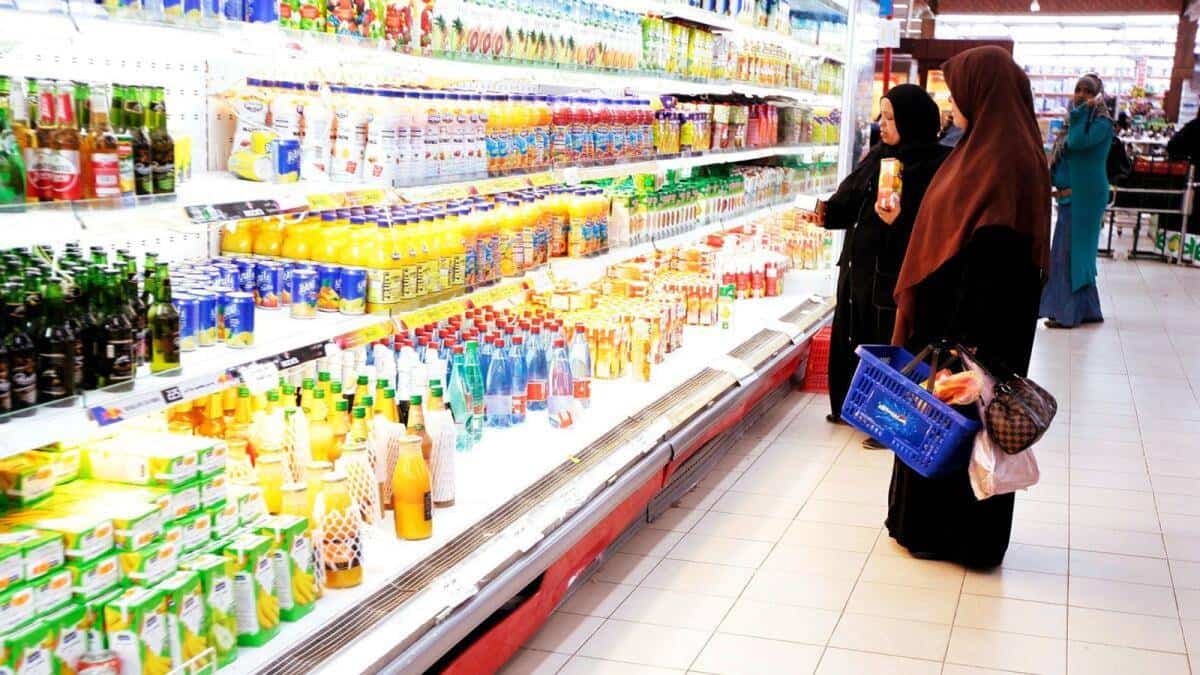
Curiously though, a huge chunk of the MENA population still prefer to visit a mall or a department store to their shopping than buy online.
TRENDS asked shoppers in a poll on Twitter about their mode of shopping.
Some 36.4 percent of respondents still shop in malls or stores most of the time, while 27.8 percent buy their stuff online.
On the other hand, 35.7 percent of respondents shop both online and in-store simultaneously.
More than 85 percent of the answers were from males, and only 14.6 percent were from females.
When asked about the factors that undermine digital trust, some 21 percent of MENA customers said that falling victim to online fraud had left them wary of using online services.
One in twelve people in the MENA region explained that their personal experience with data breaches was a significant factor in their lack of faith in online services.
Another 15 percent of MENA consumers feel there is a lack of openness in online and digital services, and 16 percent are worried they do not always know how to use online and digital services responsibly, leading to suspicion.
Regarding the age range, 41.7 percent of the respondents were between 20 and 29 years, 41.9 percent were between 30 and 39 years, 11.3 percent were between 40 and 49 years, and only 5.2 percent were above 50.
Classified by location, respondents from Lebanon were the majority (28.5 percent), followed by Bahrain (27 percent), then the UAE (24.2 percent), then Qatar (11.9 percent), and Saudi Arabia.
Over 56 percent of individuals in the Middle East and North Africa, according to a separate survey by Callsign, have faith in the reliability of digital and online services.
Based on their findings, Callsign predicts that by 2025, the global digital economy will be worth US$ 20.8 trillion, up from US$ 14.5 trillion in 2021, while the cost of cybercrime will have risen from US$ 6 trillion to US$ 10.5 trillion.
The expansion and improvement of online shopping are one of the most important trends in retail to emerge in recent years. A study conducted jointly by Dubai Economy and Visa predicts annual growth of 23 percent in e-commerce in the UAE between 2018 and 2022, making it the most developed market in the Middle East and North Africa.
Of course, customers will always prefer the “destination shopping” experience of visiting a brick-and-mortar store, but COVID-19 has prompted many individuals to try online buying for the first time. The increase in those who access the internet is expected to continue.
Up to 40 percent of respondents in a recent study of eleven markets in the region —including the United Arab Emirates and Saudi Arabia—reported increasing their frequency of online purchasing as a result of the new coronavirus outbreak.