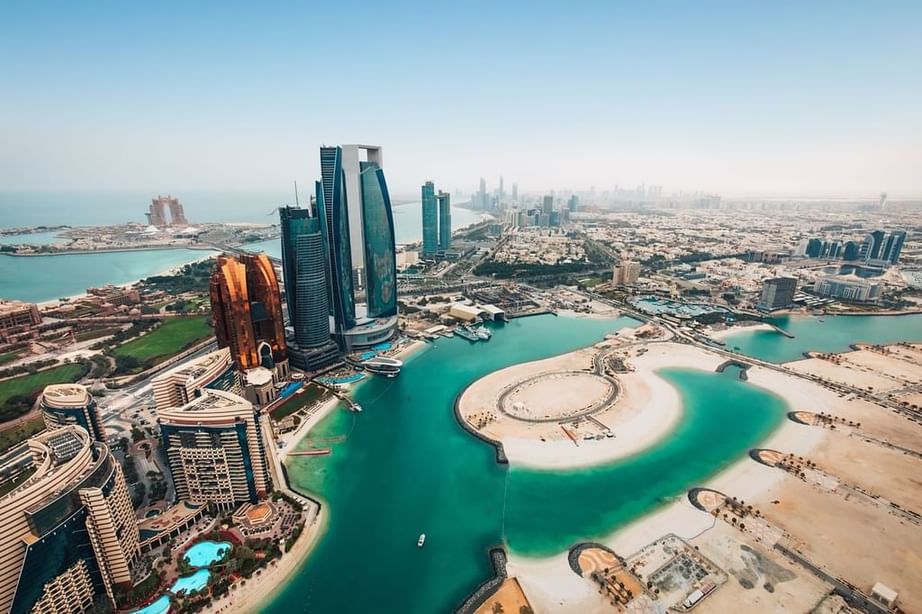
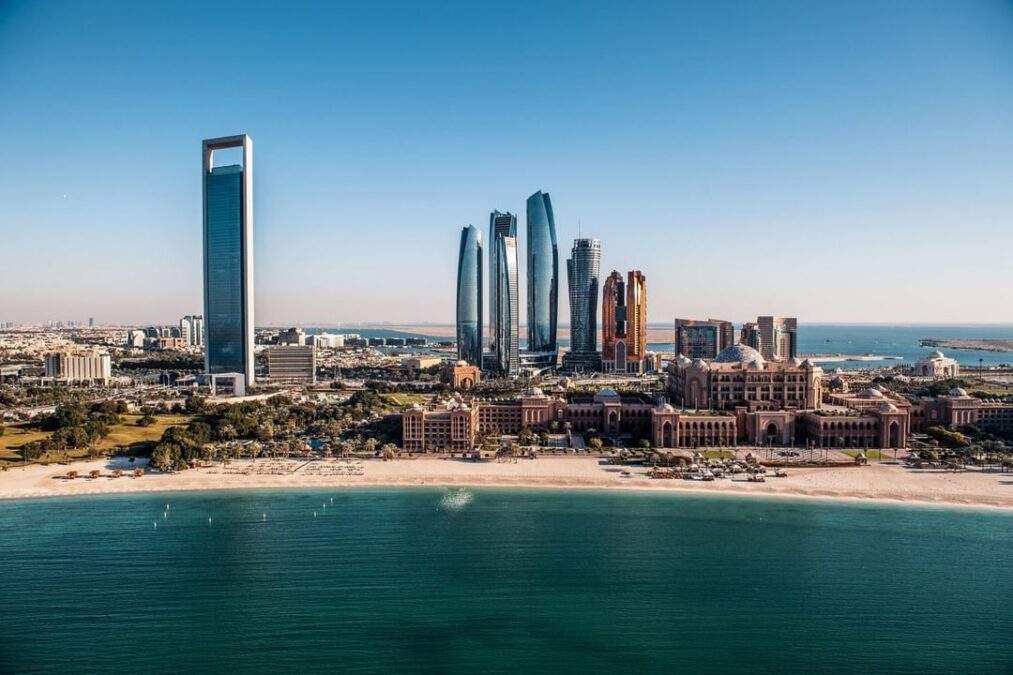
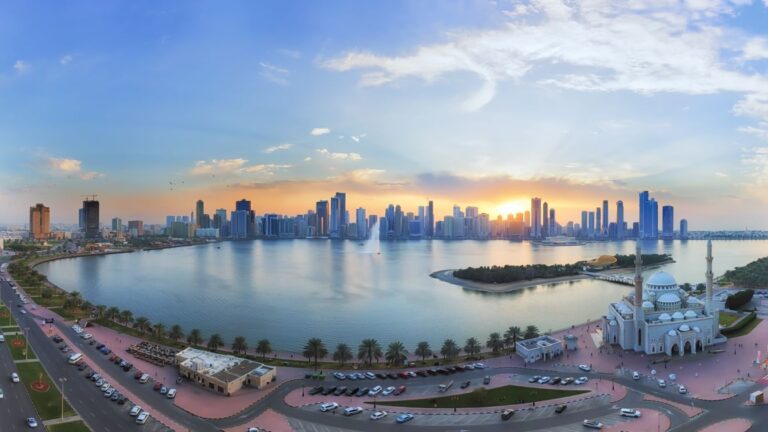
Dubai, UAE -- UAE investors accounted for more than half of Sharjah's real estate trading value in the first half...
 Income growth supports steady earnings.
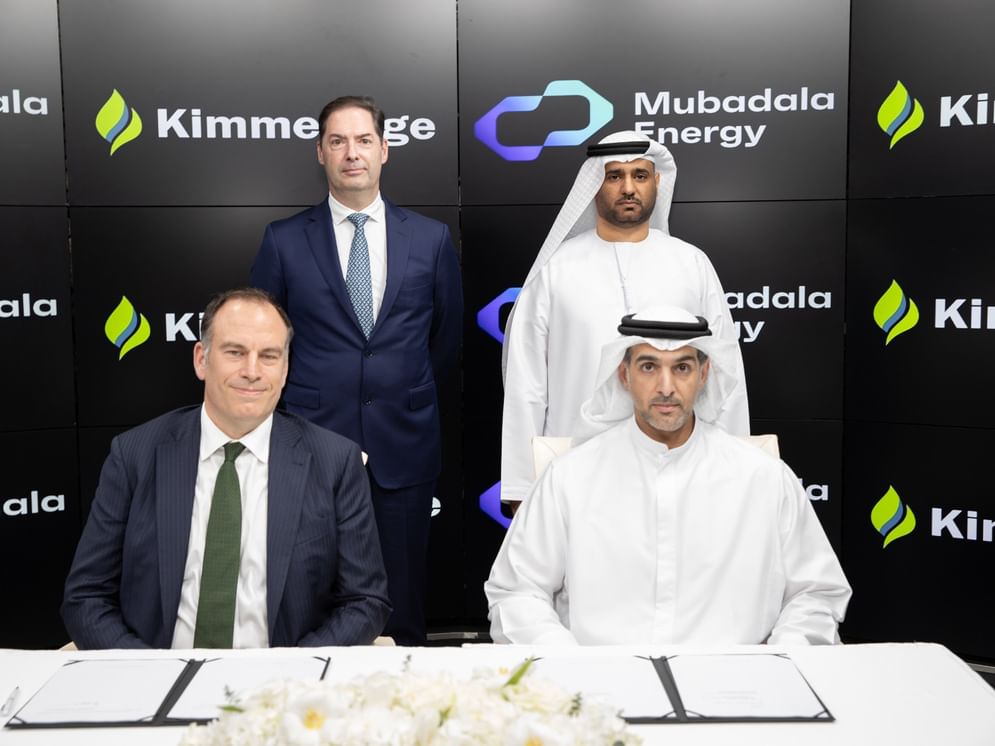
 Acquires a 24.1% interest in US firm Kimmeridge’s SoTex
Through SoTex, Kimmeridge is building America’s first integrated gas independent to deliver low-cost natural gas from wellhead to water.
The deal bolsters Mubadala Energy's growth plans to invest across the gas value chain in key energy hubs around the world.
 San Francisco, United States -- Artificial intelligence giant OpenAI has filed counterclaims against multi-billionaire Elon Musk, accusing its former co-founder...
OpenAI alleges Musk became hostile toward the company after abandoning it years before its breakthrough achievements with ChatGPT.
"Musk could not tolerate seeing such success for an enterprise he had abandoned and declared doomed," OpenAI said in a filing.
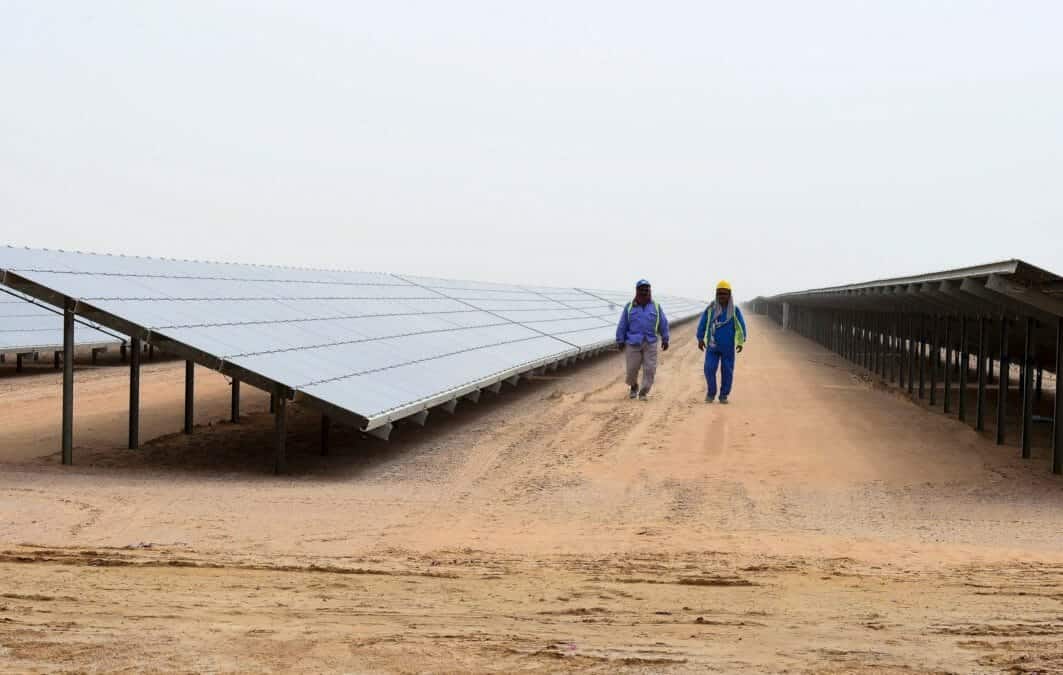
 Dubai, UAE -- A total of 47 international companies have shown interest in developing the seventh phase of the Mohammed bin...
The seventh phase will have a production capacity exceeding 1,600 megawatts (MW) and 1,000MW battery storage system providing 6,000 megawatt-hours.
Scheduled for phased commissioning between 2027 and 2029, the seventh phase will be generating 4.5 terawatt-hours of clean energy by 2030.
 Paris, France -- Meta on Tuesday announced that it was extending its teen accounts to its social network Facebook, after...
The accounts were brought in for 13- to 15-year-old Instagram users last September as part of moves to shield underage internet users from online harms.
Teens are immediately placed in such accounts, with those under 16 unable to change settings without parental permission.
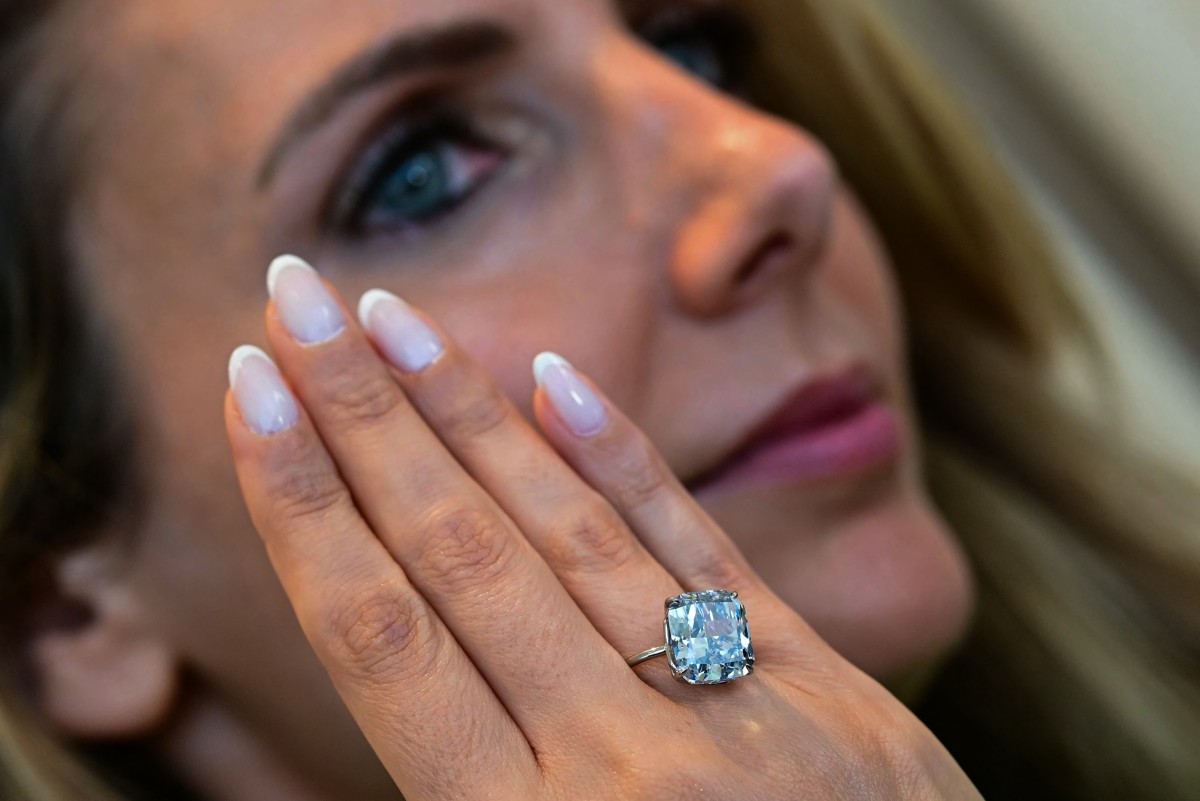
 Abu Dhabi, United Arab Emirates -- A rare blue diamond valued at $20 million went on pre-auction display on Tuesday...
The 10-carat Mediterranean Blue, which will go on sale in Geneva next month, is the showpiece of a collection estimated at $100 million, organizers said.
"Included in the group are the largest flawless diamond in the world... the second largest red diamond known to exist and several diamonds over 100 carats," Sotheby's said.
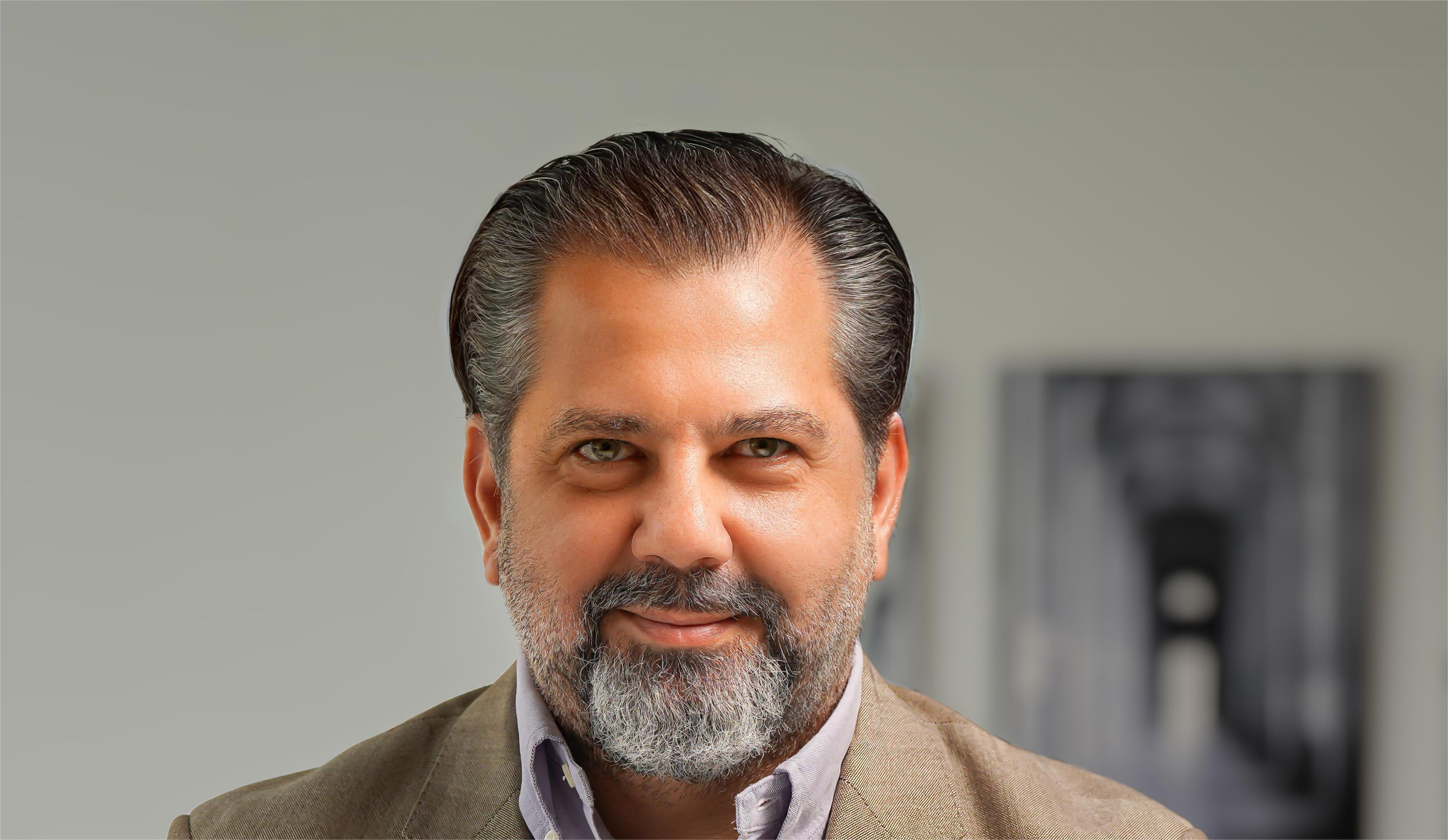
 A steady stream of development projects and year-round tourism in the country propel demand for tech-enabled facilities management, says Adnan...
In a market like the UAE, or the GCC in general, where things evolve daily, adaptation is essential, said Jabri.
Our industry is increasingly focused on sustainability, and technology plays a pivotal role in enabling environmentally friendly practices, he added.
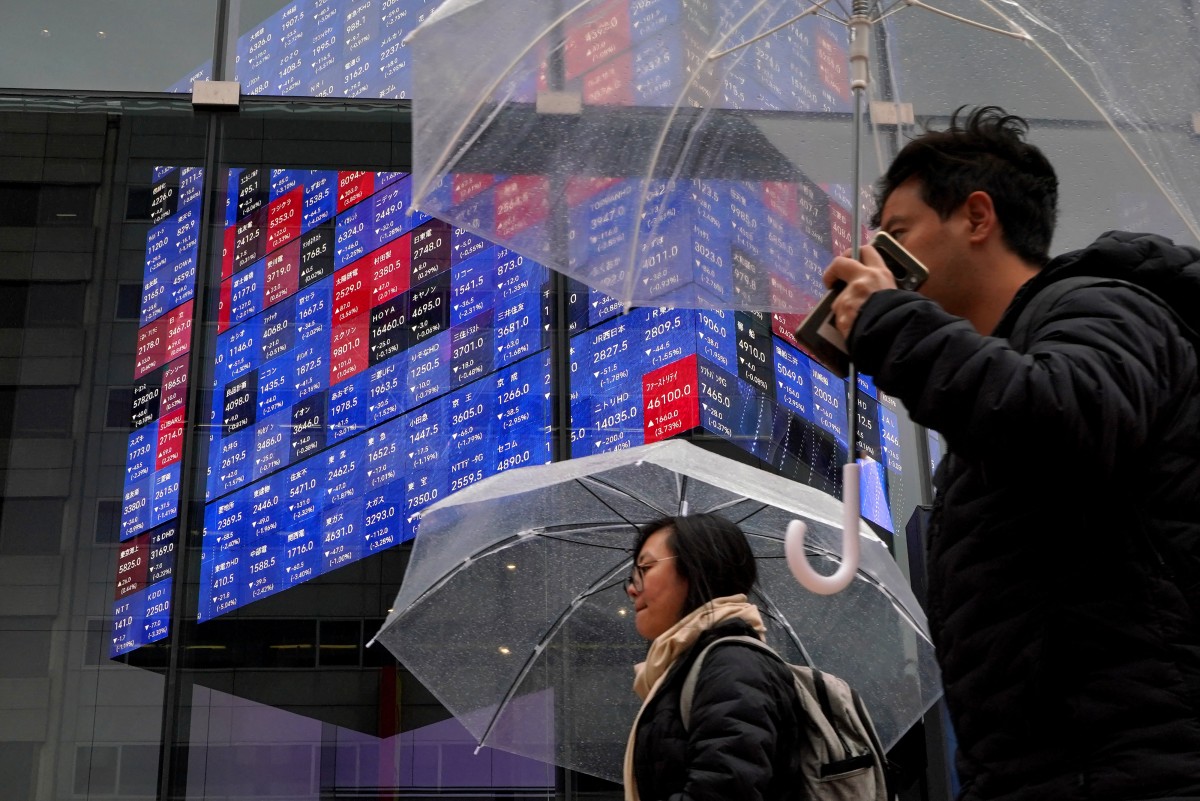
- Trading floors across the globe were overcome by waves of further selling after last week's sharp losses, with Trump telling...
Wall Street was wracked by volatile trading, bouncing into positive territory on hopes of a 90-day pause in tariffs, only to sink lower when those were dashed by the White House.
Trillions of dollars have been wiped off combined stock market valuations in recent sessions. Bitcoin tumbled, while the dollar rebounded after sharp losses last week.
 Abu Dhabi, UAE -- Hotel revenues in the UAE reached approximately AED 45 billion ( $12.24 billion) in 2024, reflecting...
Hotel occupancy rates also climbed to 78 percent last year, ranking among the highest both regionally and globally.
The minister said that the number of hotel guests across the UAE reached approximately 30.8 million in 2024, reflecting a 9.5 percent growth.
- Abu Dhabi, UAE -- Abu Dhabi Customs reported a 9 percent increase in the emirate’s non-oil foreign trade in 2024,...
Non-oil exports soared 16 percent in 2024, reaching AED 107.8 billion compared to AED 93 billion in 2023.
Re-exports grew by 11 percent to exceed AED 58 billion, compared to AED 52.4 billion in 2023, while imports grew by 3 percent to AED 140.2 billion.
 It must find non-Chinese owner to avoid ban.
In the hours before that deadline, TikTok temporarily shut down in the United States and disappeared from app stores, to the dismay of millions of users.
Much of TikTok's US activity is already housed on Oracle servers, and the company's chairman, Larry Ellison, is a longtime Trump ally.