The decision comes before OpenAI’s annual developer conference, where the company is expected to face scrutiny over AI safety.

 Saudi Arabia's Ministry of Human Resources and Social Development (HRSD), in partnership with the Ministry of Municipalities and Housing (MOMAH),...
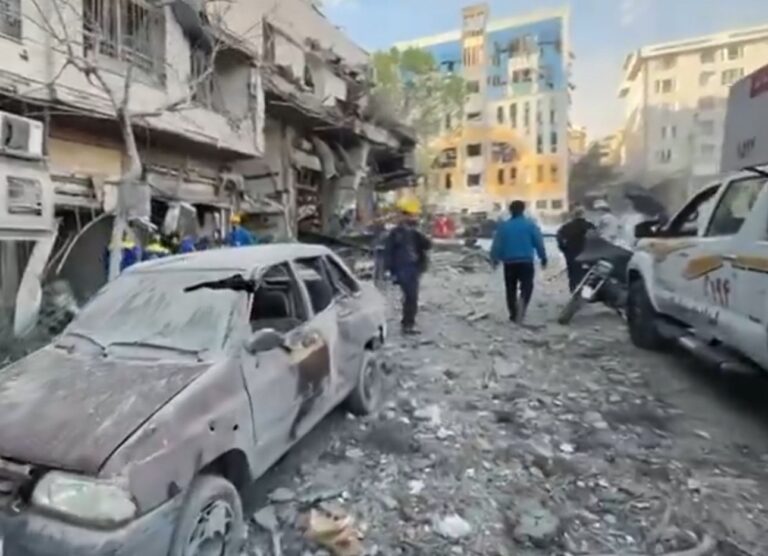

 The escalating conflict involving Iran, Israel and the United States is emerging as a major test for the Gulf’s sovereign...
The United Arab Emirates is expected to maintain a fiscal surplus over the next two years
Saudi Arabia has already been running significant deficits tied to its economic transformation agenda
 Muscat, Oman -- Gulf Cooperation Council countries recorded strong performance in agriculture, livestock and fisheries during 2024, reflecting the growing...
Agricultural and fisheries exports rose to $7.8 billion, up 7.5 percent, while imports reached $38.7 billion, an increase of 10.1 percent.
Vegetables accounted for 45.8 percent of total crop production, the largest share among plant products.
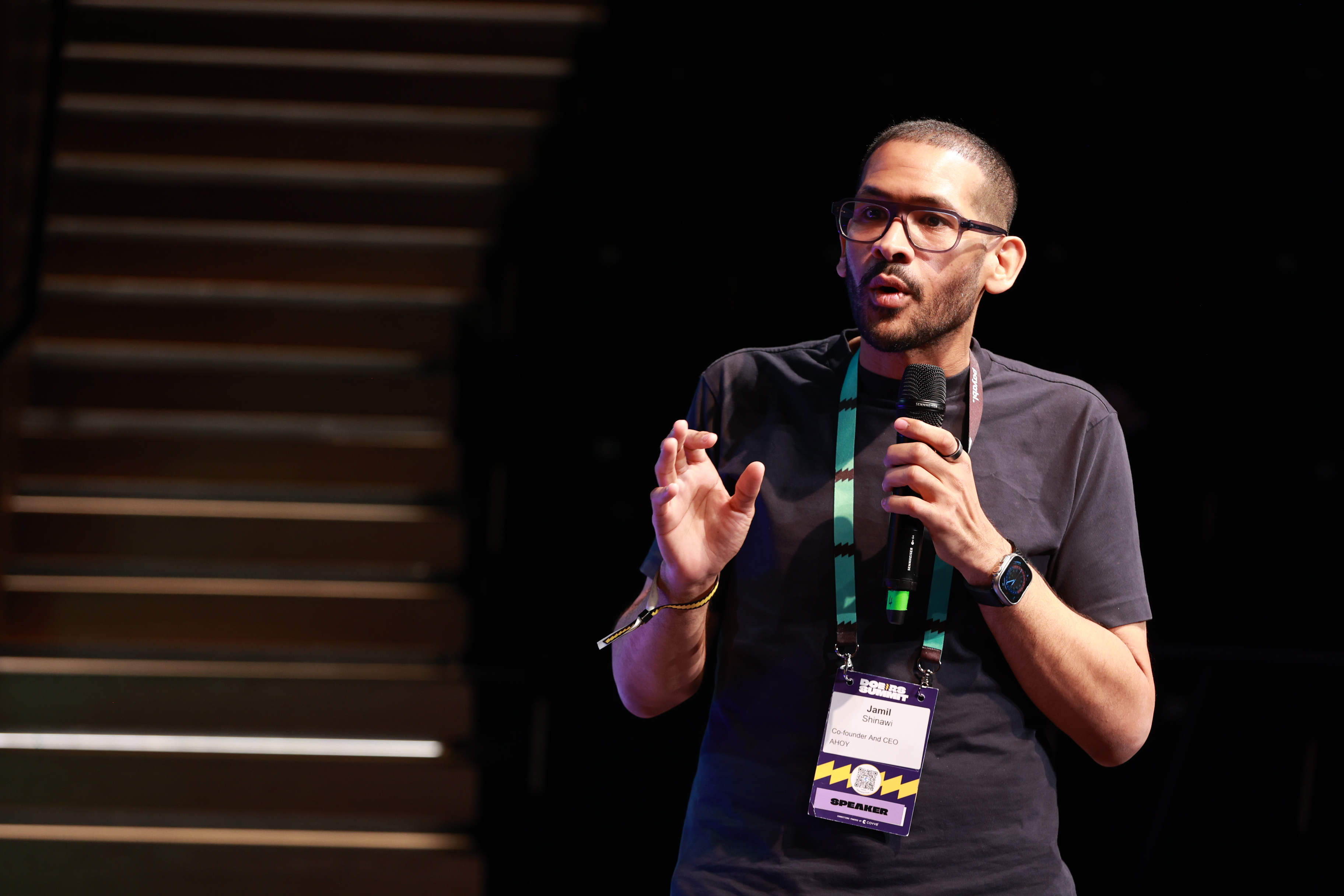
 Jamil Shinawi, CEO and Co-founder of AHOY and co-founder of Actual VC, speaks to TRENDS about risk, capital efficiency, and...
In MENA, scalable startups must prioritise execution, defensibility and real traction over hype, Jamil Shinawi told TRENDS
The real opportunity lies in AI-driven systems that turn data into instant, cross-sector impact, he adds
 Snap’s regional chief Hussein Freijeh outlines growth plans across MENA and APAC in an interview with TRENDS, highlighting startups, creators...
Snap expects future growth in MENA and APAC to come from deeper community engagement and rising advertiser demand.
Startups in the GCC use Snapchat to reach local audiences quickly through mobile-first storytelling and creator partnerships.
 Despite trillions managed by GCC sovereign wealth funds, late-stage venture capital remains scarce, leaving startups stranded between early traction and...
The GCC is capital-rich, yet late-stage venture funding remains structurally limited
Early-stage activity is strong, but a clear Series A–C financing gap persists
 The world has known the Middle East for its oil. But a new fuel is taking the main stage: knowledge,...
The key to alignment always starts with the numbers. Data has the power to tell a story that resonates with policy, business, and tech.
Today’s entrepreneur has a blockchain superhighway, they can access round the clock to conduct, transact, and build their businesses.
- Six coffee shops from the Middle East have secured places in The World’s 100 Best Coffee Shops 2026 list, highlighting...
The United Arab Emirates led the region with two cafés making the Top 100, reinforcing its position as a fast-expanding specialty coffee hub
Qatar and Oman achieved their first-ever entries in the global ranking, while Turkey’s Meet Lab Coffee returned to the list
- Fahad AlSharekh says the GCC’s edge isn’t startup mimicry but global investment power — backing AI, infrastructure and category leaders...
The GCC’s strength is global investment power, not startup mimicry, Fahad AlSharekh tells TRENDS
Without exits and deep tech talent, chasing local VC hype is a mirage, he adds
 Abu Dhabi, UAE -- The UAE Ministry of Finance said on Sunday it had launched its first-ever seven-year tranche of...
The new tranche attracted strong demand amounting to approximately 3.1 billion dirhams, nearly six times the issuance size.
Total bids reached 5.88 billion dirhams, representing an oversubscription ratio of 5.3 times.
 S4 Capital founder Martin Sorrell tells TRENDS digital dominance, AI disruption and consolidation are reshaping global advertising, urging agile, tech-first...
The industry is effectively “two industries” — a fast-growing digital sector and a declining traditional media business — Martin Sorrell told TRENDS
CMOs should stop experimenting with AI and move to full-scale implementation, radically reorganising workflows and cutting creative costs, he adds