
Libya’s rival central banks said on Monday, December 6, they had reached a reunification deal, seven years after they divided as conflict tore the country apart.
The original bank, which manages the North African state’s vast oil revenues, had been severed in 2014 when a complex civil war gave rise to rival administrations in the east and west.
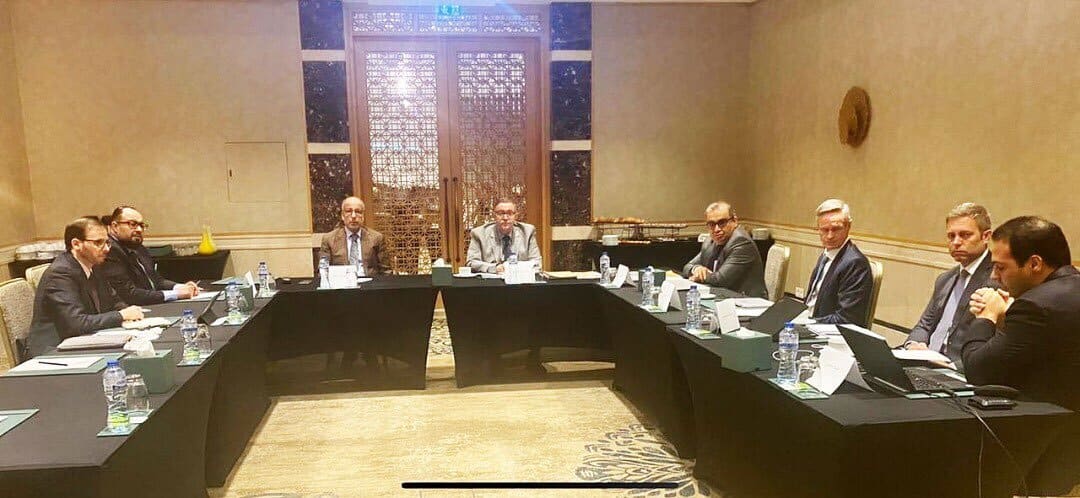
But on Monday, the governor of the internationally recognized body in the western capital Tripoli, Seddik al-Kabir, and his eastern-based counterpart Ali al-Hebri “agreed a detailed plan to launch the unification process,” the Tripoli body said in a statement.
The meeting was attended by consultants from Deloitte, which in July completed an audit of the two branches.
Libya collapsed into years of violence after the 2011 fall and killing of dictator Moamer Gadhafi in a NATO-backed revolt.
A string of state institutions including the central bank split in two during the escalation in 2014 that divided the country, broadly speaking, into eastern and western camps.
The existence of two central banks has complicated the handling of Libya’s vital oil revenues and control over monetary policy, contributing to runaway inflation and a liquidity crisis despite its vast crude reserves.
But a ceasefire in mid-2020 allowed for reunification efforts to begin, and even before the truce was formalized, Deloitte International was charged with auditing the institutions.
United Nations envoy Jan Kubic delivered the completed audit report to interim Prime Minister Abdulhamid Dbeibah in July this year.
The division has caused major financial losses and a spike in public debt to more than $100 billion, according to the bank.
The reunification deal comes before Libya is set to hold elections on December 24 aimed at moving past the decade of violence.